
Aldergrove Regional Park sits on the southeastern edge of Langley, straddling the Abbotsford border, and it is one of the larger and quieter regional parks in the area. Where some of Langley’s parks are built around a river or a single historic site, Aldergrove is defined by variety, forest trails, an open meadow bowl reclaimed from an old gravel pit, and a grassy day-use area that has a longer and more interesting history than it first appears. It is a park that rewards a little context before you visit, since several of its most distinctive features are not obvious just from walking through.
This guide covers the park’s main trail network, the story behind the meadow known as Aldergrove Bowl, the grassy picnic grounds that used to be a popular man-made swimming pool, and some practical notes for planning a visit. Aldergrove tends to be busier with locals than with out-of-town visitors, which gives it a low-key, neighbourhood feel even though the park itself covers a large amount of ground.
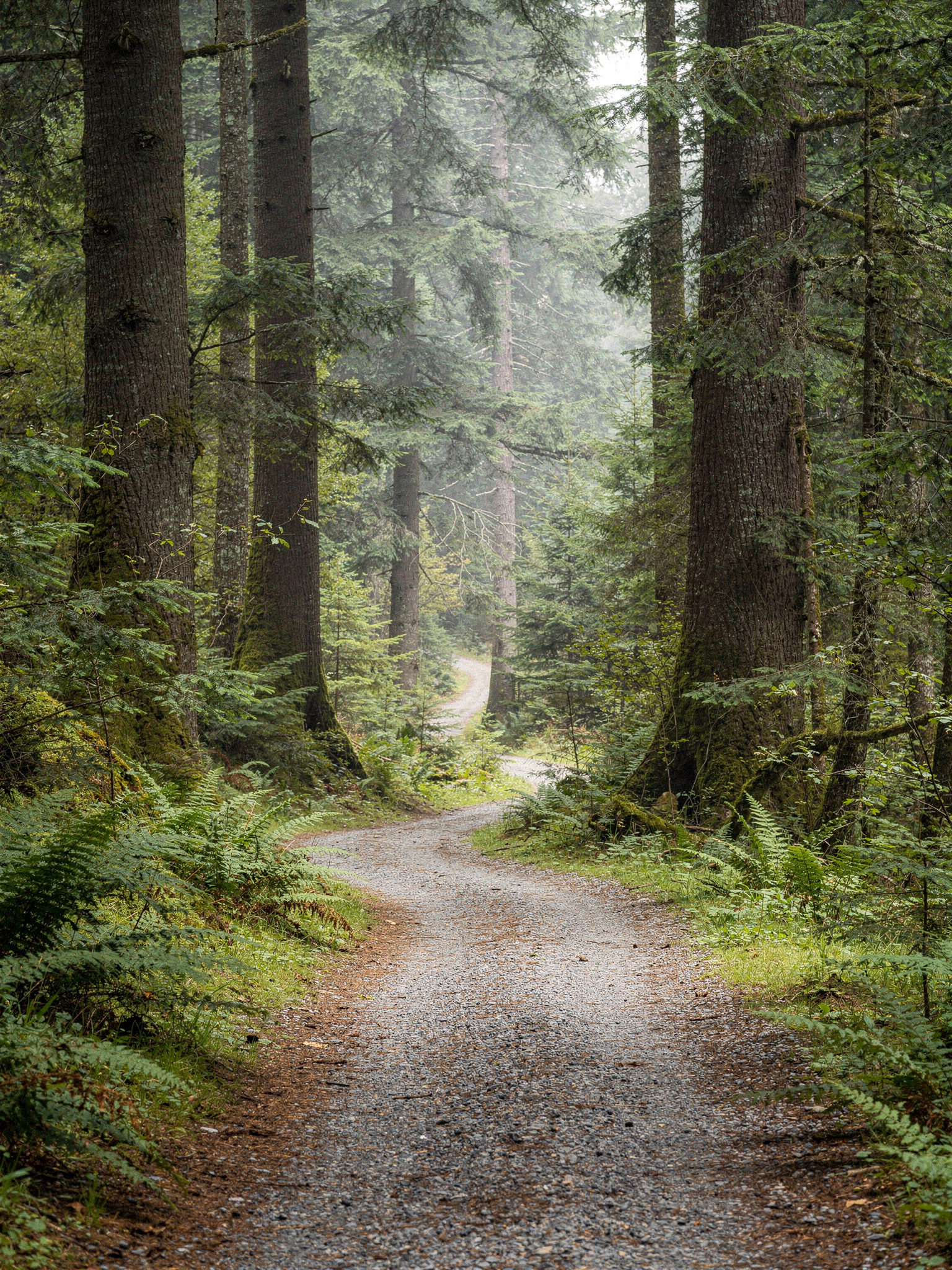
Trails Through Forest and Farmland
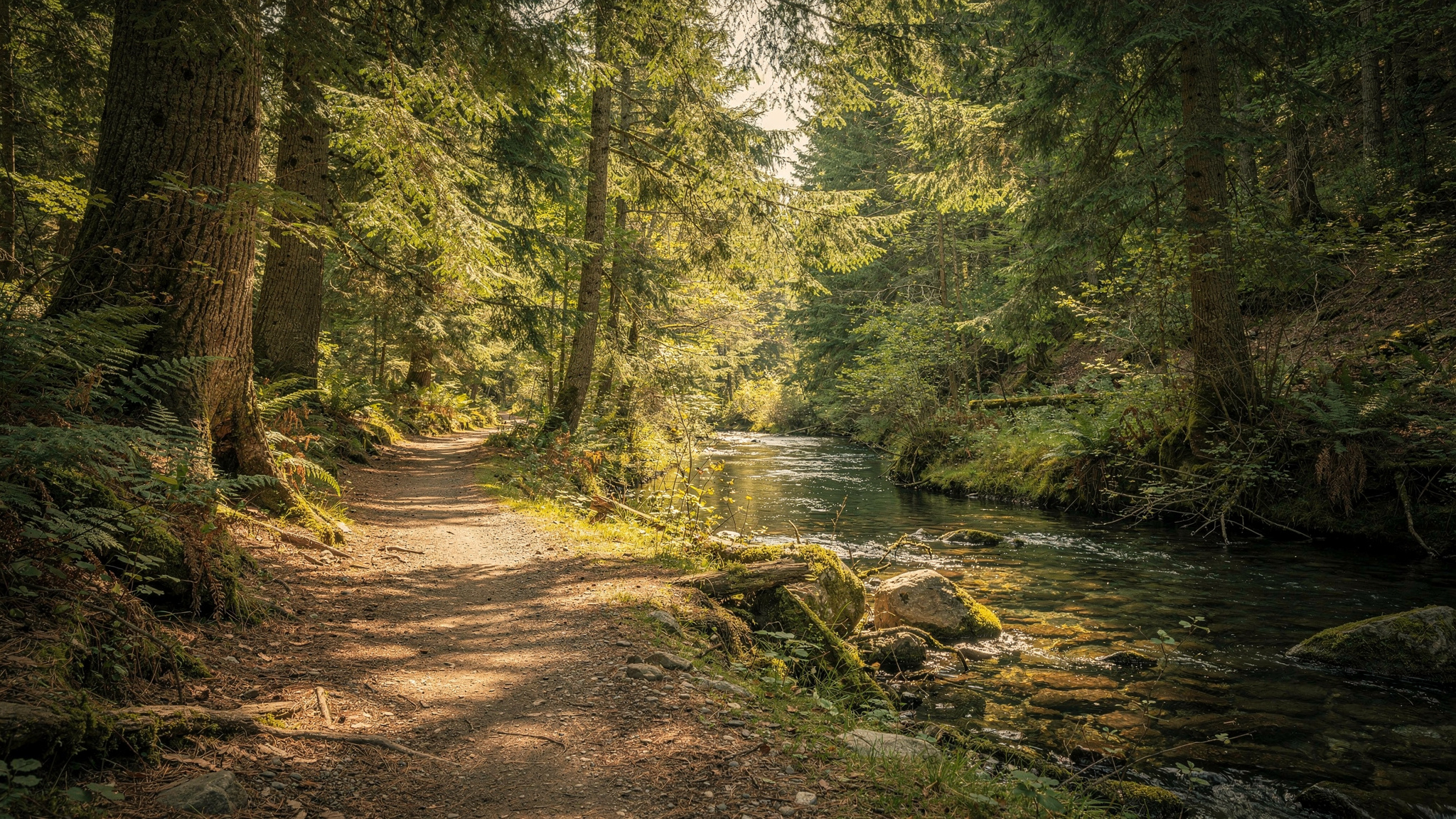
Aldergrove Regional Park’s trail network is built around two main routes, the Pepin Brook Trail and the Rock ‘n Horse Trail, which wind through second-growth forest, along the banks of Pepin Brook, and across open sections near the park’s edges. The terrain is gentle by regional-park standards, with rolling grades rather than steep climbs, which makes the main loops accessible to most fitness levels and popular with families looking for an easy afternoon outing.
Pepin Brook itself is more than scenery. The creek is home to sensitive fish species, and stretches of the trail run close enough to the water that it is worth keeping dogs leashed and staying on the marked path to protect the habitat. A handful of shorter loops branch off the main trails as well, giving visitors the option of a quick walk through open fields and wetland edges rather than committing to the full distance of the longer routes.
Because the park is large and spread across varied terrain, from forest to open bowl to grassy flats, it is worth picking up or checking a park map before setting out if you want to link multiple trail sections together. Signposted junctions make it easy to shorten or extend a route once you are on the ground, but knowing roughly where the main areas sit relative to each other saves some backtracking.
Aldergrove Bowl: From Gravel Pit to Meadow
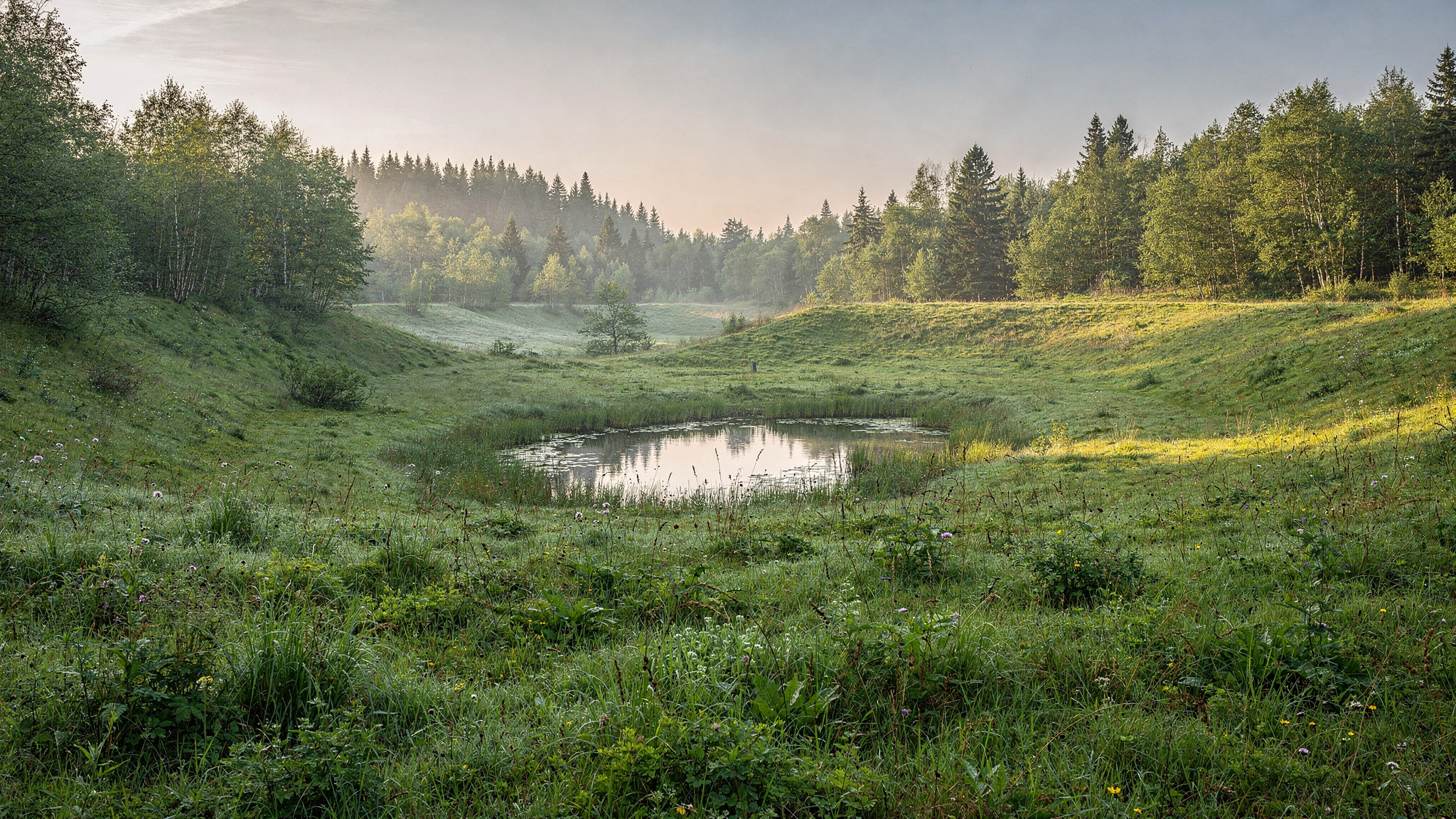
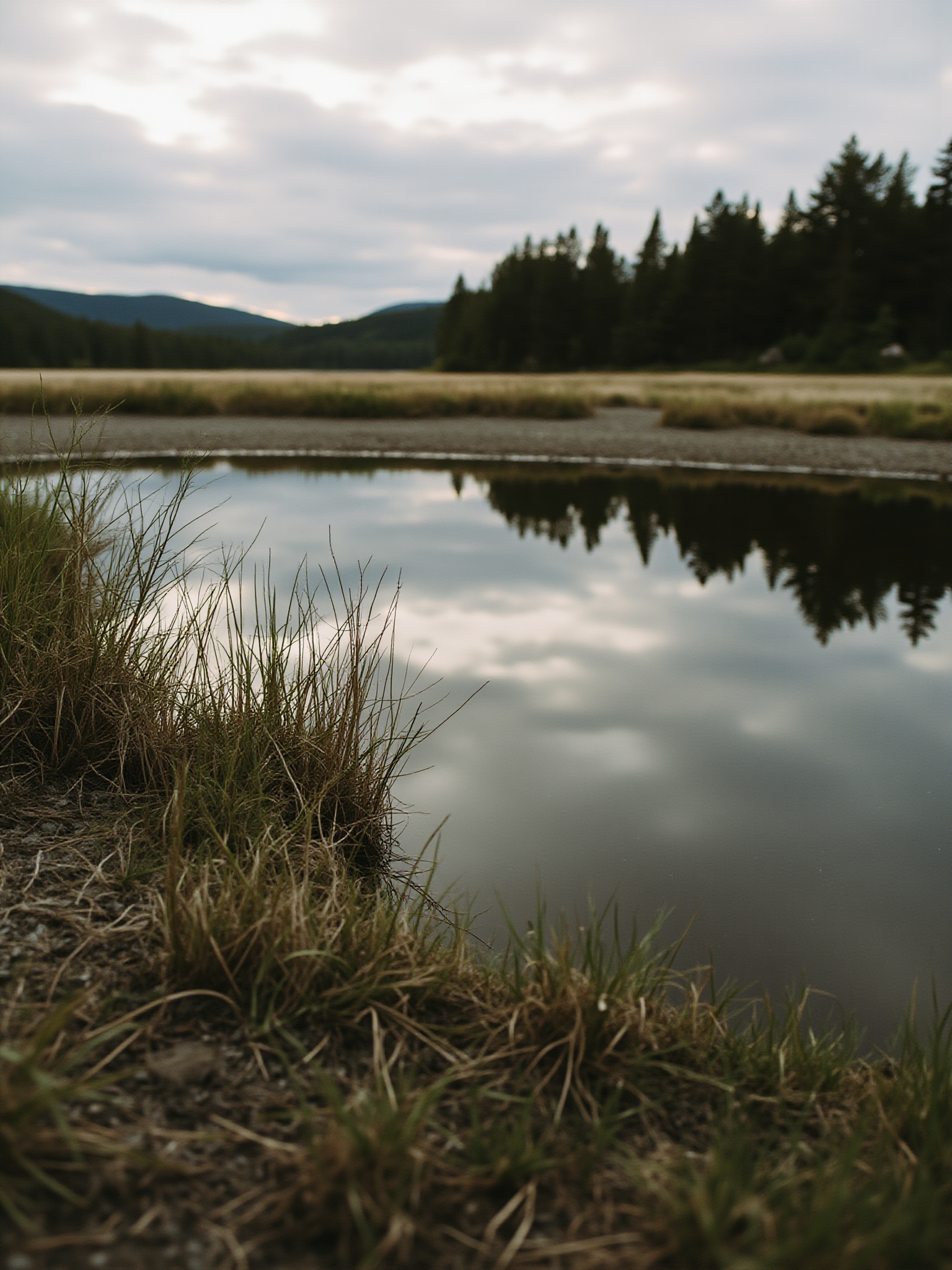
One of the more surprising things about Aldergrove Regional Park is that its open, rolling meadow, known as Aldergrove Bowl, was a working gravel pit until the 1990s. Once the extraction ended, the land was reclaimed and landscaped into parkland and wildlife habitat, and today the bowl is a wide expanse of grassland with a wildlife pond, scattered tree groves, and picnic space that gives the park a completely different feel from its forested trails.
The open ground at Aldergrove Bowl is particularly popular with horseback riders, since it offers wide sightlines and room to move that the narrower forest trails do not. Walkers and cyclists use it too, and a trail leads up out of the bowl toward a viewpoint with a distant outlook toward the mountains to the south, a nice reward for a relatively short climb.
It is worth pausing at Aldergrove Bowl to appreciate how much the landscape has changed in a few decades. What was once bare extraction ground is now established grassland with a settled, natural look, a reminder that a lot of the parkland Langley residents now take for granted was actively shaped and restored rather than simply left alone.
The Old Swimming Pool Turned Picnic Ground
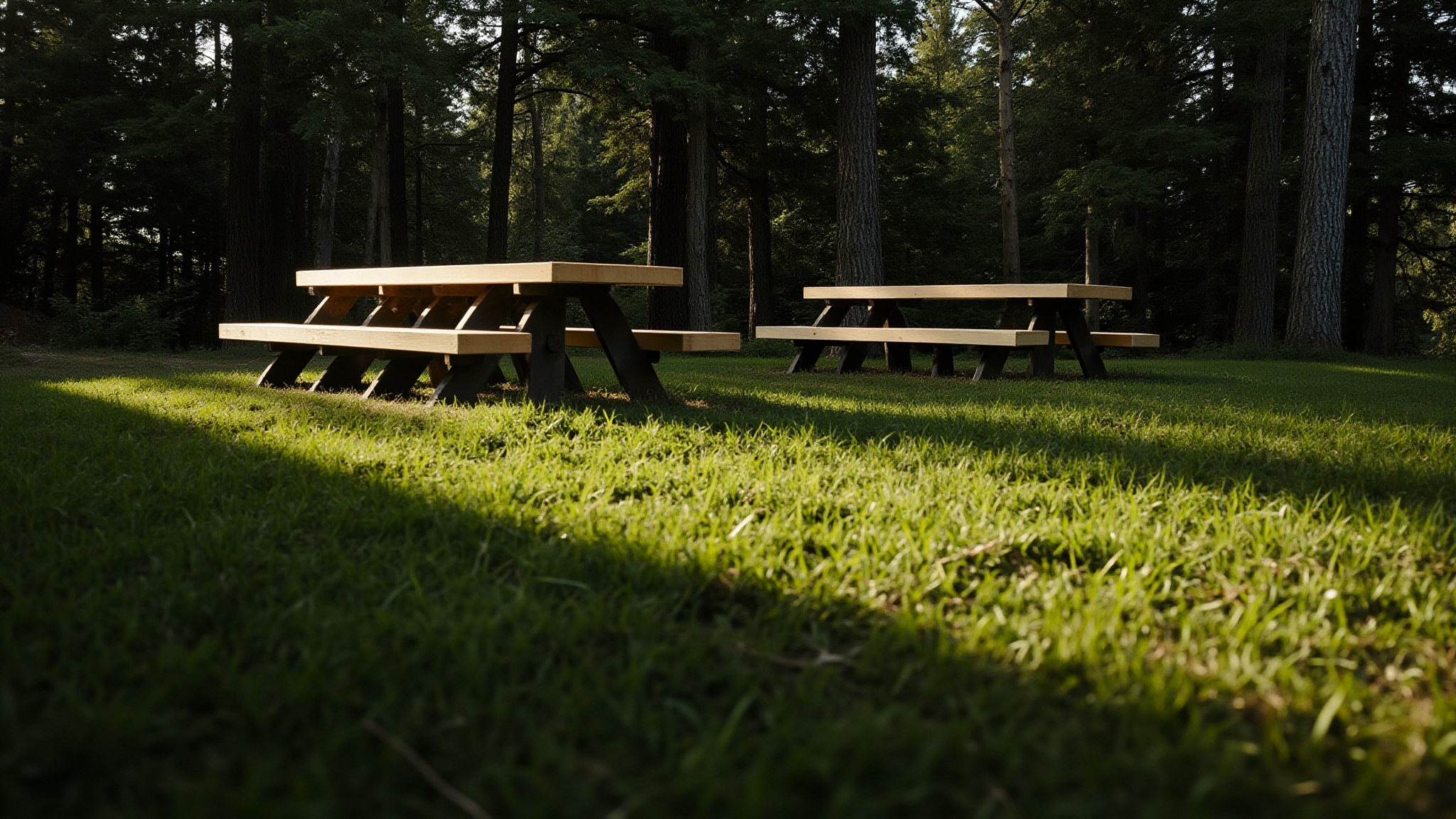
For decades, one of the park’s main draws was a large man-made swimming pool, a summer gathering spot that filled with local families on hot days. Over time the aging structure could no longer meet current water-quality and filtration standards, and rebuilding it to modern requirements was judged too costly given the sensitive stream habitat nearby. The pool was eventually filled in, and the site was regraded into open grass.
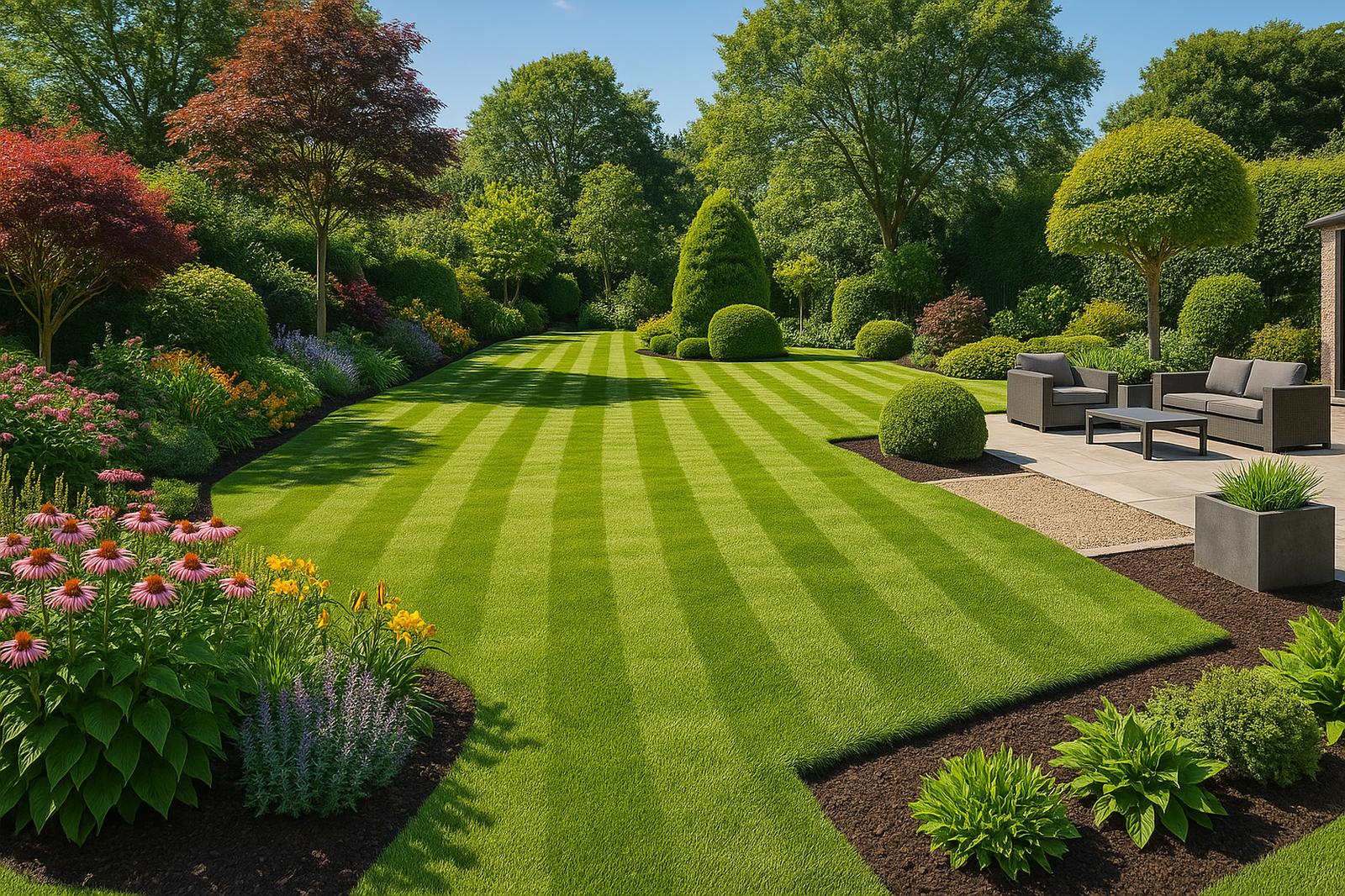
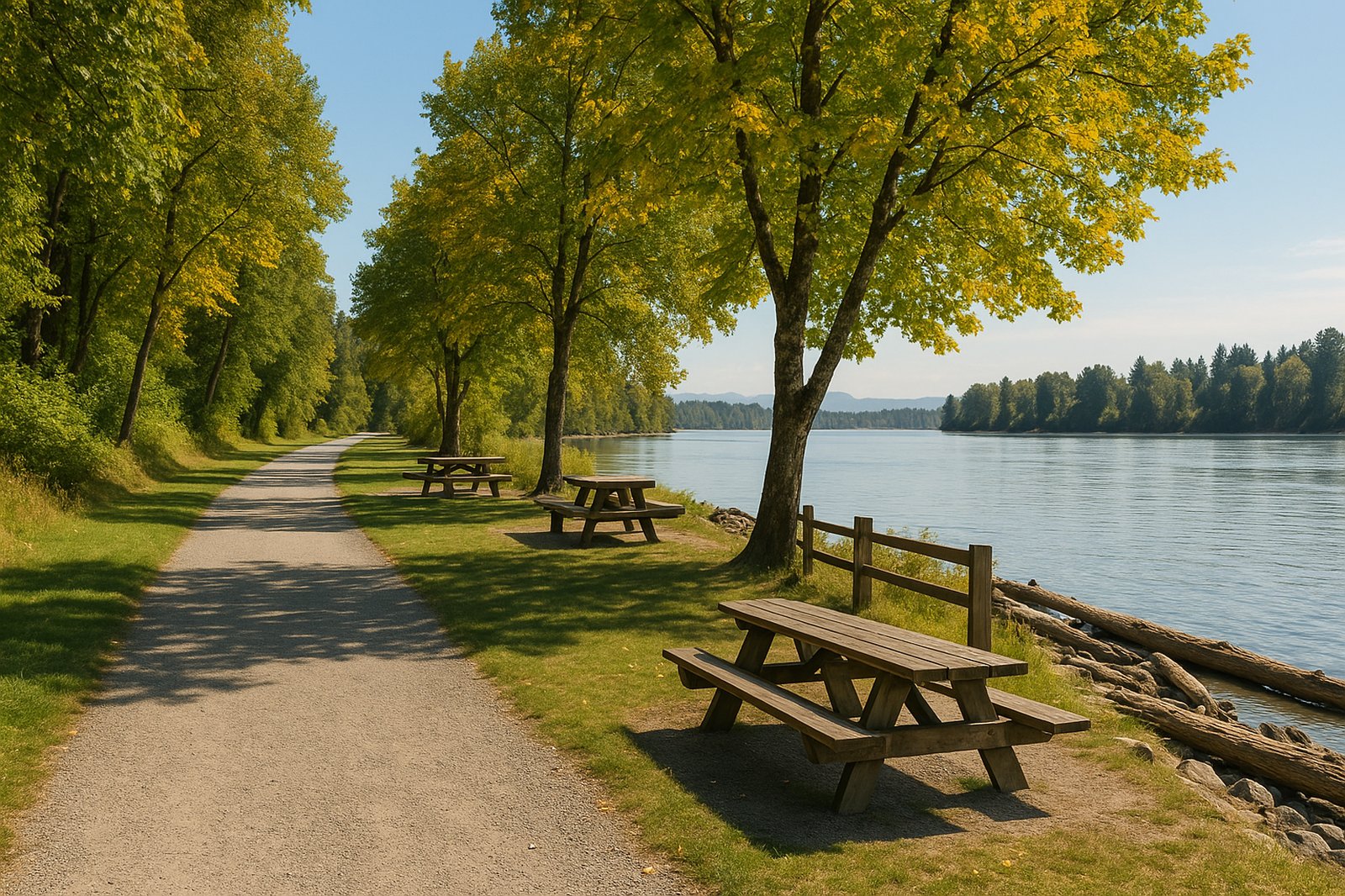
That former pool footprint is now the park’s main day-use and picnic area, a wide grassy flat with picnic tables and shade trees rather than a swimming basin. If you visit today expecting to find water here, as some longtime area residents still half-expect after all these years, you will instead find lawn, picnic shelters, and open space that functions as the park’s social hub without the pool that used to define it.
The change reflects a broader pattern seen elsewhere in the region, where older recreation features built decades ago eventually give way to lower-maintenance, more habitat-friendly uses once they reach the end of their working life. For Aldergrove, the tradeoff has been a quieter, dry-land gathering space in place of the swimming pool that older visitors may remember from summers past.
Wildlife and What Makes Aldergrove Distinct
Aldergrove Regional Park’s mix of forest, reclaimed meadow, and brook corridor supports a wider range of habitat than a single-purpose park usually does. Pepin Brook and its surrounding riparian zone are recognized for supporting fish species considered at risk in the region, which is part of why trail users are asked to stay on marked paths near the water rather than wandering the banks.
The park’s size also means it can feel like several different outings depending on which section you visit. A morning spent on the forest trails near Pepin Brook has a different character entirely from an afternoon at Aldergrove Bowl or a picnic on the old pool grounds, and it is entirely possible to visit Aldergrove several times without repeating the same experience twice.
That range is part of what distinguishes Aldergrove from some of Langley’s other regional parks, which tend to organize themselves around one central feature. Aldergrove instead offers a loose collection of distinct spaces under one large park boundary, and visitors tend to develop a favourite corner of it rather than trying to see everything in a single trip.
Planning Ahead at Aldergrove
Aldergrove Regional Park is managed as a Metro Vancouver Regional Park, so entry is free and no booking is required for a standard day visit, though picnic shelters and some group areas can be reserved ahead of time for larger gatherings. Parking is available near the main day-use and picnic area, and it fills up on warm weekends, so arriving earlier in the day is the easiest way to avoid circling for a spot.
Because the park sits away from Langley’s town centres, it is worth bringing your own food and water rather than counting on nearby amenities. The nearest shops and cafes are a short drive away, so packing a picnic for the grassy day-use area or the Aldergrove Bowl meadow is the simplest way to make a half day of it without extra trips back into town.
Aldergrove Regional Park Visitor Tips
Keep dogs leashed near Pepin Brook and along the narrower forest trails, both to protect sensitive fish habitat in the creek and because sightlines are shorter than they are out in the open bowl.
If you are visiting specifically for the old pool site, look for the wide grassy day-use area rather than expecting any remaining water feature. It is now a picnic ground with tables and shade trees, not a swimming spot.
Wear layers if you plan to link the forest trails with a walk across Aldergrove Bowl, since the open meadow can feel noticeably breezier and more exposed than the sheltered sections under tree cover.
Questions Often Asked
Is there still a swimming pool at Aldergrove Regional Park?
No. The park once had a large man-made swimming pool that was a popular summer destination for decades, but it could not meet updated water-quality and filtration standards and was eventually filled in. The former pool site is now a grassy day-use and picnic area rather than a place to swim.
What is Aldergrove Bowl?
Aldergrove Bowl is an open meadow area within the park that was previously a gravel pit until the 1990s. It was later landscaped into grassland and wildlife habitat, and today it includes a pond, tree groves, and trails, and is especially popular with horseback riders.
What are the main trails at Aldergrove Regional Park?
The two main routes are the Pepin Brook Trail and the Rock ‘n Horse Trail, both of which are considered relatively easy with gentle grades. Several shorter loops also branch off these main trails through open fields and wetland edges for visitors who want a shorter walk.
Is Aldergrove Regional Park free to visit?
Yes. As a Metro Vancouver Regional Park, Aldergrove is free to enter with no booking required for a standard day visit. Some picnic shelters and group spaces can be reserved in advance for larger gatherings.
Are dogs allowed at Aldergrove Regional Park?
Dogs are welcome on leash throughout the park. Keeping dogs leashed is particularly important near Pepin Brook, which supports sensitive fish species, and along the narrower forest trail sections.