
Campbell Valley Regional Park covers nearly 550 hectares in South Langley, stretching from the US border north through second-growth forest, wetlands, and open meadow. It is large enough that regular visitors still discover new sections after years of use, and varied enough that it serves trail runners, dog walkers, equestrians, birders, and families with young children without any of those groups getting in each other’s way.
This guide covers the main trail systems, the Annand-Rowlatt Heritage Farm that anchors the south end of the park, the wildlife you are likely to encounter, and the practical logistics of parking and access. Campbell Valley is one of the best parks in the Lower Mainland for a half-day outing, and knowing the park’s layout before you arrive makes the visit significantly better.
Trails and How the Park Is Laid Out
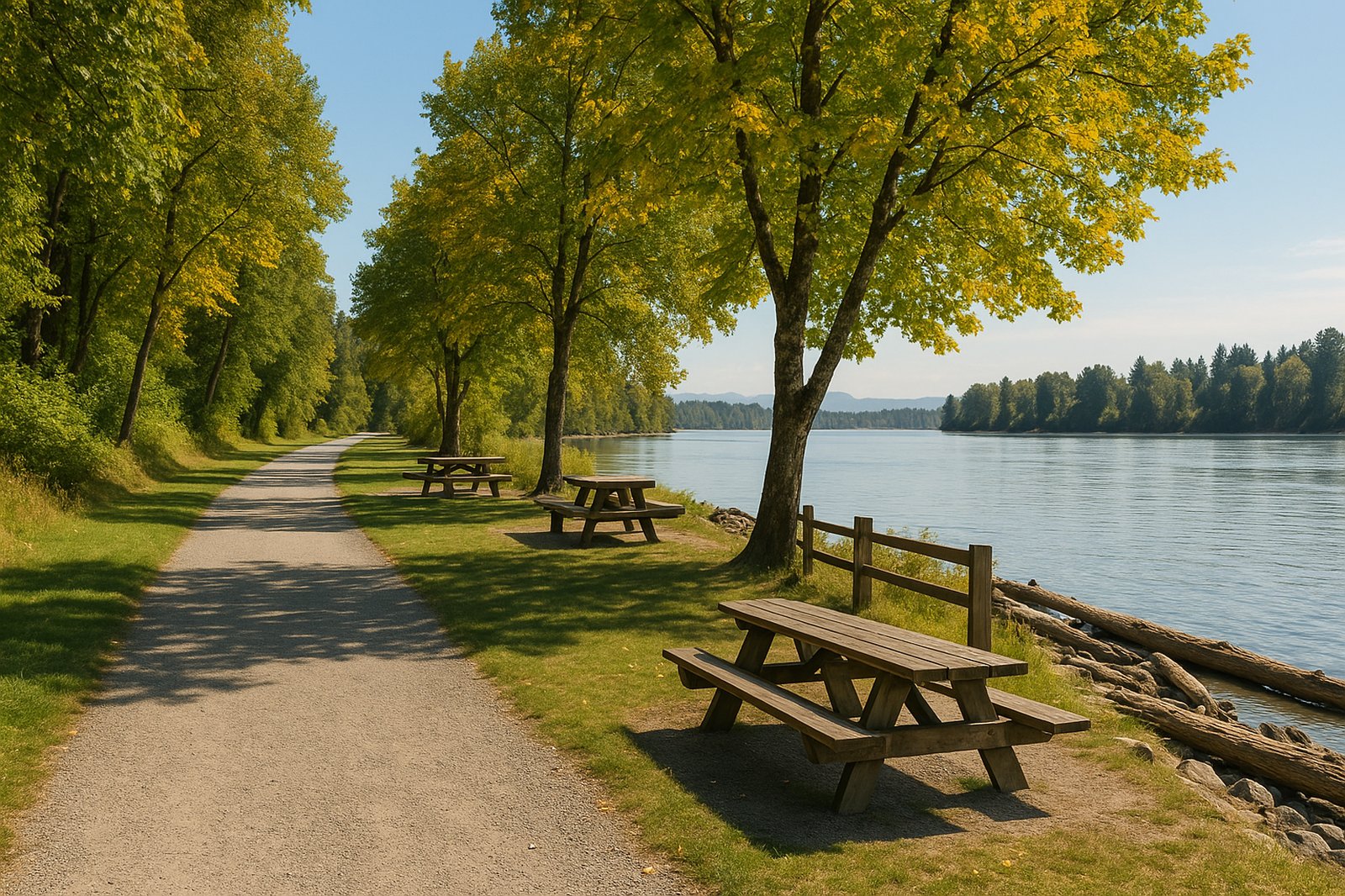
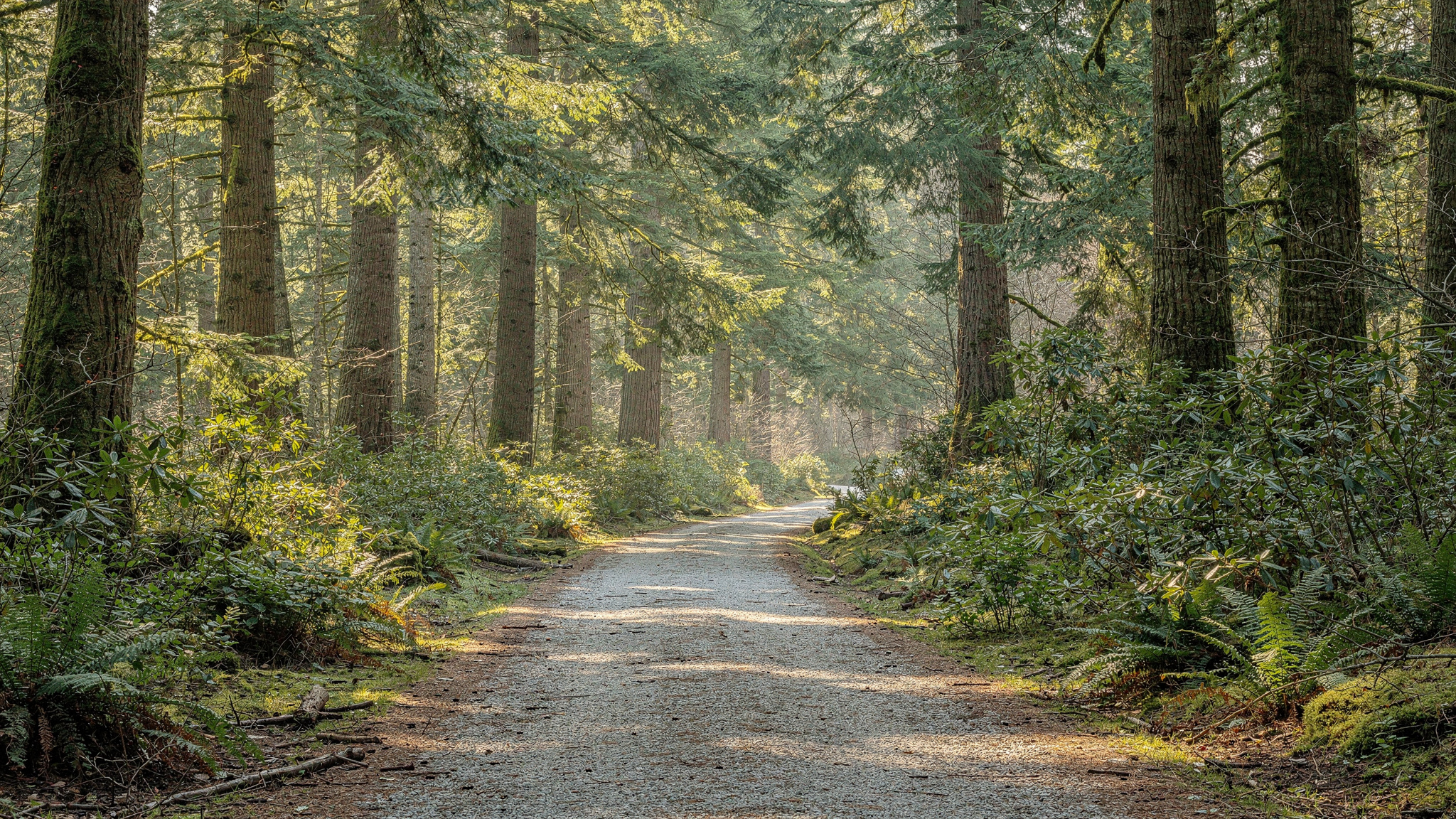
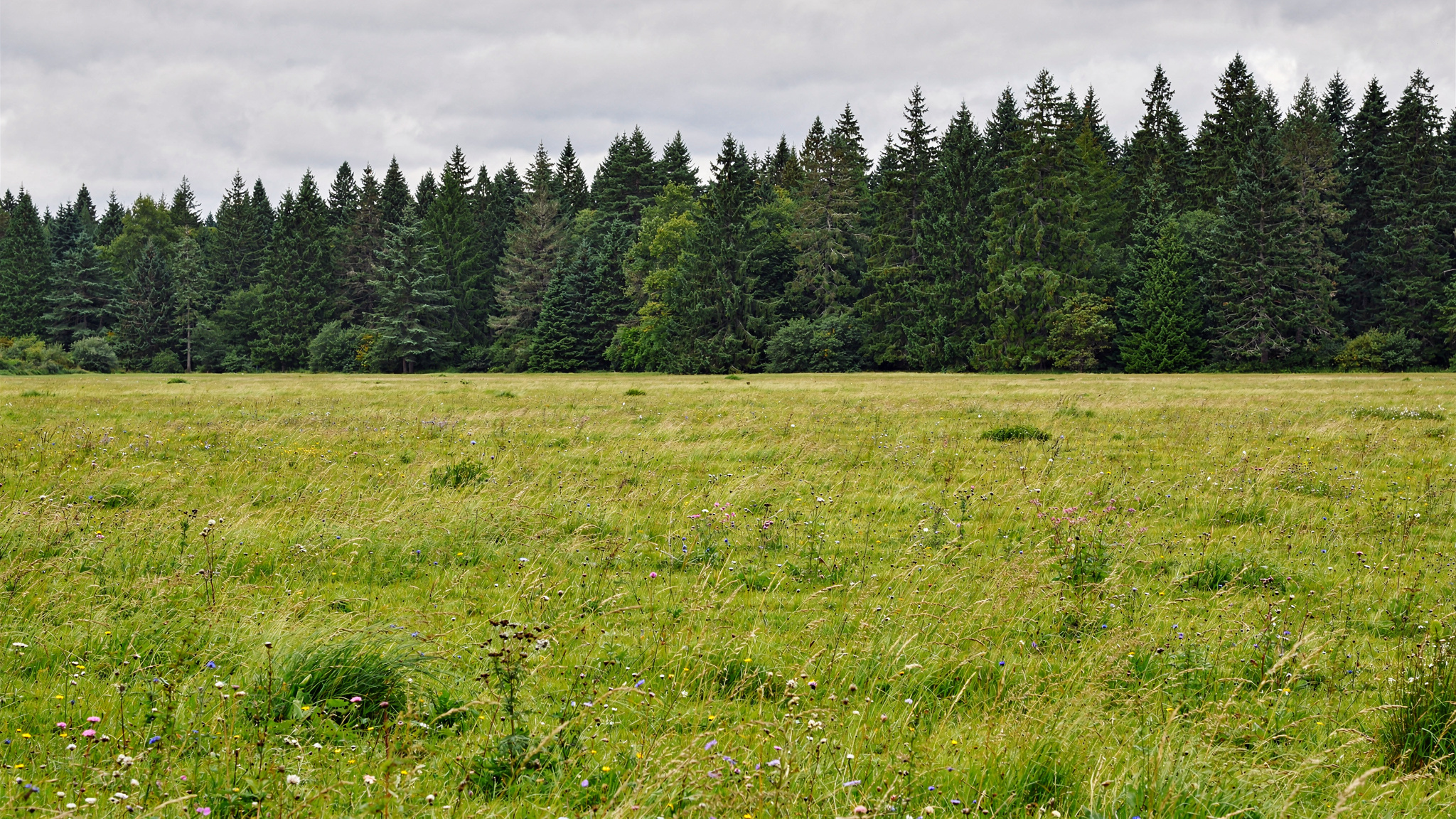
Campbell Valley has four main trail loops that can be combined in various ways depending on how long you want to walk and what terrain you prefer. The Little River Loop is the gentlest and most popular, following Campbell River through alder and cedar for about 5 kilometres with minimal elevation. The South Valley Trail and the Shaggy Mane Trail cover the drier meadow areas and give views across the valley floor that the forest trails do not provide.
The Ravine Trail connects the north and south sections of the park through a forested gully and is the most serene section of the trail system on a quiet weekday. The equestrian trails share some sections with the hiking trails and are wide and well-maintained, which makes the main routes feel spacious even when the park is busy. On weekends in spring and fall, the trails near the north entrance can be crowded; the south sections near the heritage farm stay quieter throughout the day.
The park has three main entrances: the North Valley parking lot off 16th Avenue, the Lochiel Equestrian parking area, and the south entrance near 8th Avenue. The North Valley parking lot is the busiest and the best starting point for most trail loops. The south entrance gives you direct access to the heritage farm and the more open meadow sections of the southern part of the park.
Wildlife and Nature in Campbell Valley
Campbell Valley sits in one of the most ecologically productive corners of the Lower Mainland, with the intersection of riparian corridors, wetlands, and mature forest creating habitat for a wide range of species. Deer are so common in the park that most visitors see them on nearly every visit. Black bears pass through the southern sections, and black-tailed deer are resident year-round in numbers that make them easy to overlook after a few visits.
Birding in Campbell Valley is genuinely rewarding through all seasons. The wetland areas in the northern section hold great blue herons and a variety of waterfowl through winter, while the forest edges attract warblers, flycatchers, and woodpeckers during the spring migration. Barred owls and great horned owls are year-round residents, most reliably heard at dawn and dusk near the forest sections of the park.
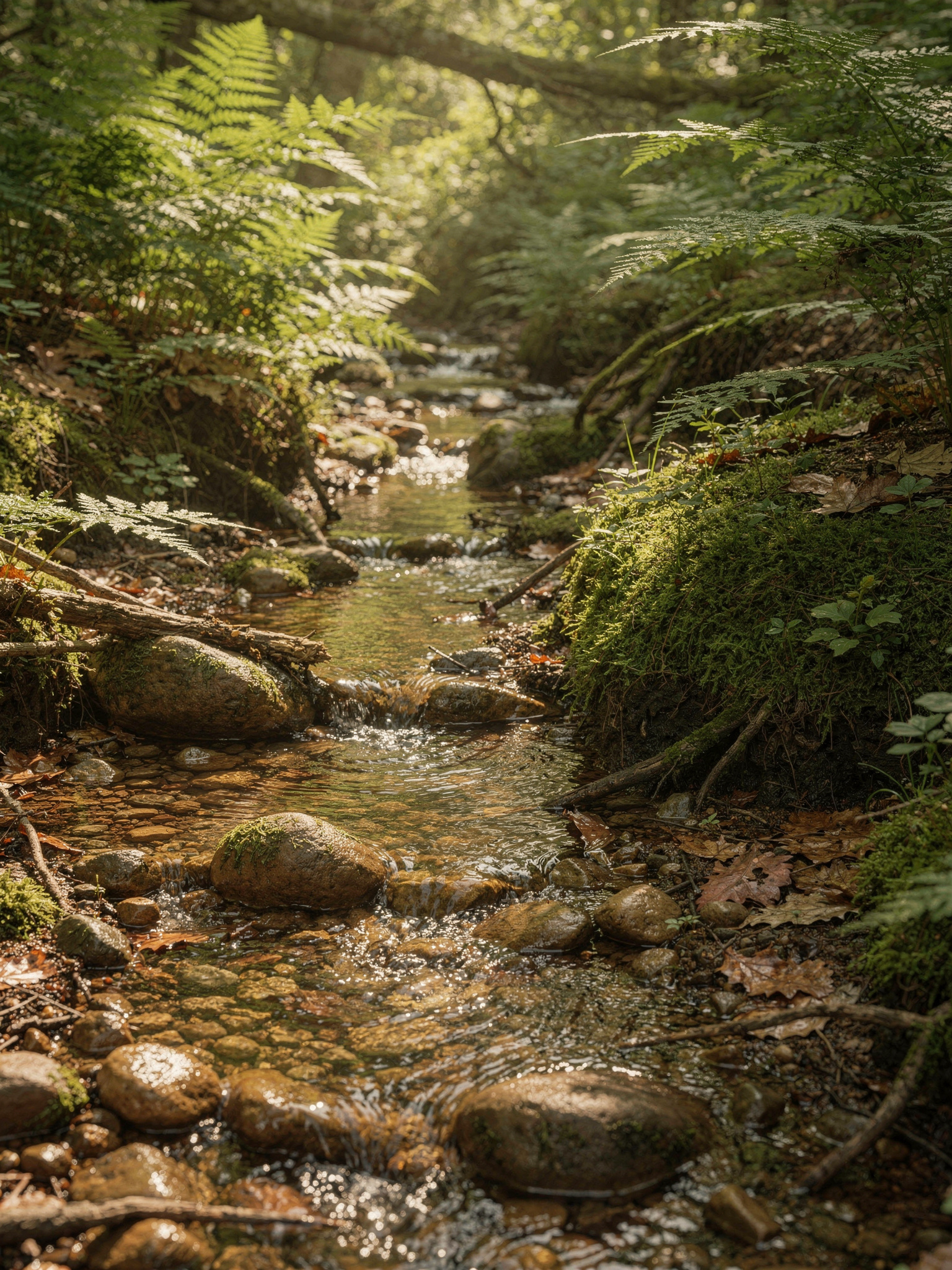
The riparian corridor along Campbell River supports Pacific salmon runs in fall, which is one of the more remarkable wildlife spectacles available within an hour of Metro Vancouver. Coho and chum salmon are both present in the river section from late September through November, and the combination of salmon, autumn colour, and the lower visitor numbers of fall makes October and November among the best months to visit the park.
The Annand-Rowlatt Heritage Farm
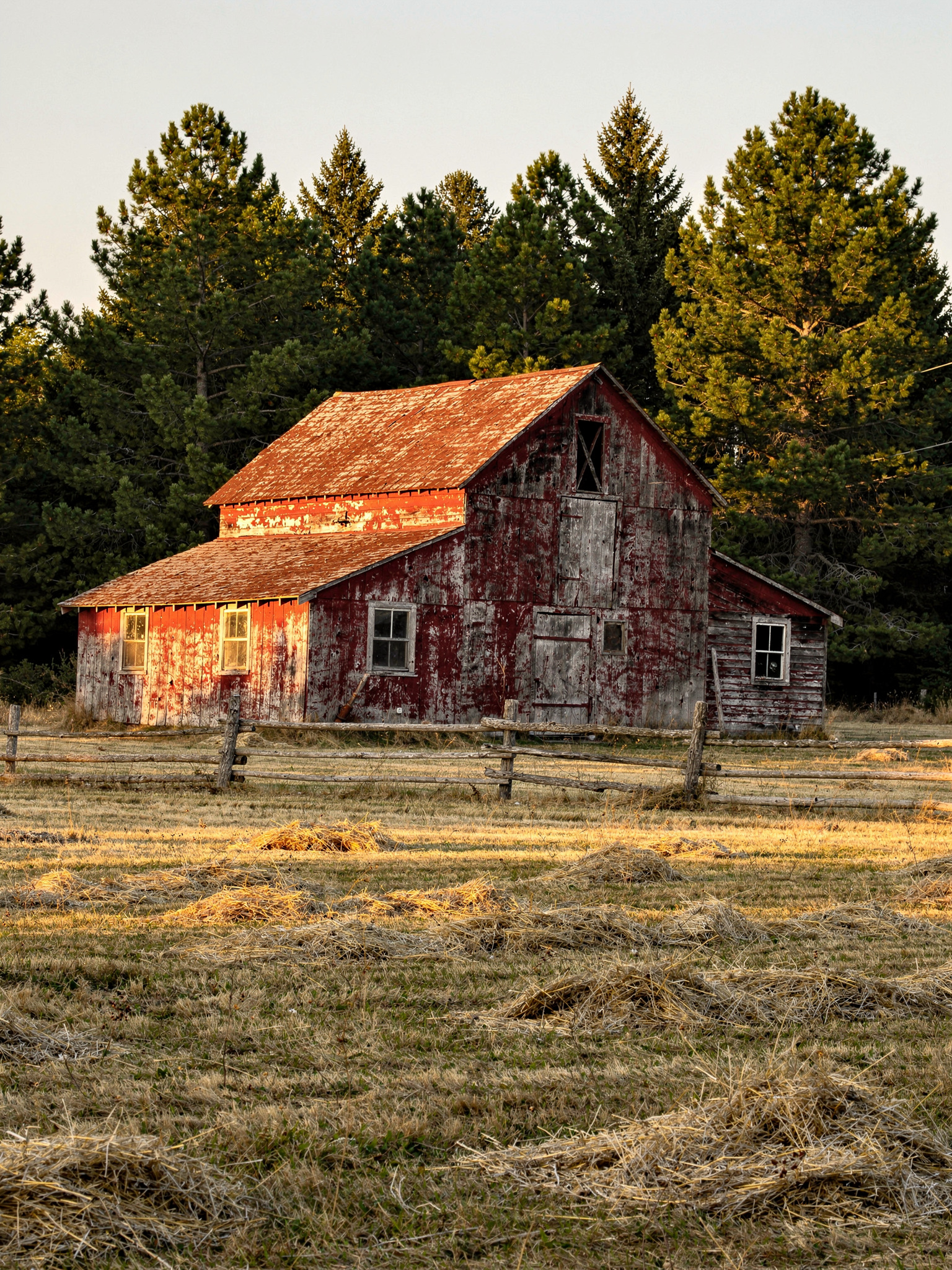
The Annand-Rowlatt Farmstead at the south end of Campbell Valley is a preserved working heritage farm that demonstrates early 20th-century agricultural life in the Fraser Valley. The buildings include a farmhouse, barn, outbuildings, and a tea house that operates on weekends in summer, making the heritage farm a destination in itself for visitors who want something to anchor their walk beyond the trail system.
The tea house at the heritage farm is one of the quieter pleasures in the Lower Mainland, serving simple food and drinks in a heritage building surrounded by the farm’s period gardens. It operates on limited hours and is most reliably open on summer weekends; checking Metro Vancouver Parks for the current schedule before you visit is worth doing if the tea house is part of your plan.
The area around the heritage farm has some of the best bird habitat in the park, with the combination of open farmland and nearby wetland edges attracting a different suite of species than the forest trails. Killdeer nest on the farm property, and the barn swallows over the farmyard in summer are reliable and photogenic.
Planning Your Campbell Valley Visit
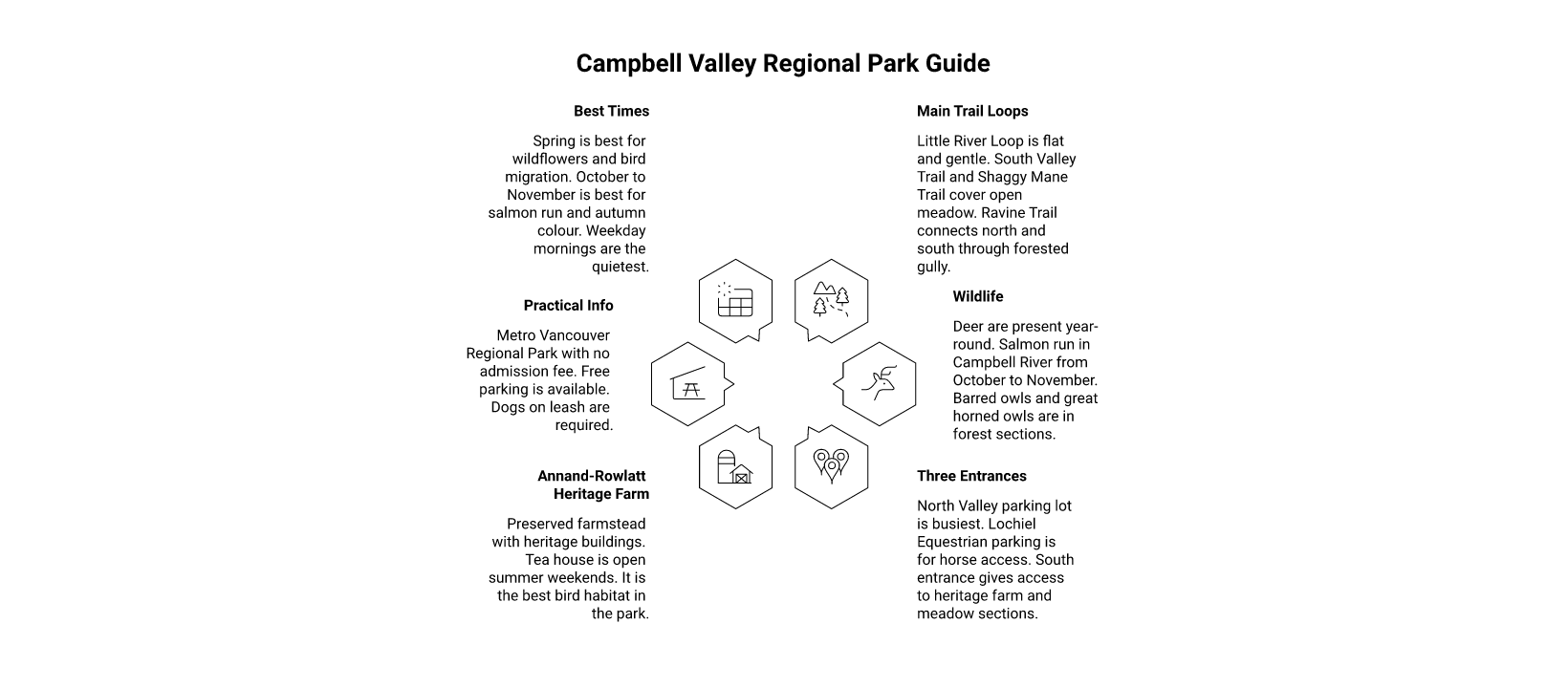
Campbell Valley is a Metro Vancouver Regional Park, which means no admission fee and no booking required for day visits. Parking is free at all three entrances. The park is open year-round, and the well-maintained trail surfaces make it accessible in all but the worst winter conditions, though some equestrian trails are closed seasonally to prevent damage.
Dogs are welcome in Campbell Valley on leash, and the park’s trail width and surface make it manageable even with dogs who are not perfectly trail-trained. The equestrian presence means that dogs need to be reliably leashed and under control; horses have right of way on all shared trails. The park is popular enough with dog walkers that most dogs are well-accustomed to seeing horses, but the formal rule applies regardless.
The park gets crowded on sunny spring and fall weekends, particularly in the morning hours at the North Valley entrance. The south entrance sees less traffic through most of the day, and the Shaggy Mane Trail system in the central section of the park offers a middle ground that is less crowded than the main loop while still covering attractive terrain. Weekday visits are noticeably quieter across all sections.
Getting the Most From a Campbell Valley Visit
Campbell Valley rewards multiple visits more than a single comprehensive tour. The park changes substantially by season, and returning in October for the salmon run after a spring visit for wildflowers and birds gives you two almost entirely different experiences of the same landscape.
The combination of Campbell Valley and a stop in Fort Langley makes one of the best half-day outings available in the Lower Mainland. The park entrance on 16th Avenue is about 15 minutes from Fort Langley village, which makes the two destinations natural companions for a morning walk followed by lunch in the village.
Bring water, especially in summer. The park has limited water access once you are on trail, and the forested sections can be deceptively warm on summer afternoons. Sun protection matters on the meadow trails where shade cover is limited for extended stretches.
Campbell Valley Tips
The North Valley parking lot fills on sunny weekend mornings. Arriving before 9 a.m. or after 2 p.m. is the practical advice for anyone driving in on a Saturday or Sunday in spring and fall. The south entrance and Lochiel equestrian parking lot almost never fill to capacity.
Wear layers in all seasons. The forested sections of Campbell Valley are noticeably cooler than the open meadow areas, and the temperature difference between a shaded trail and an exposed section can be five to eight degrees in spring and fall. A light jacket that packs away is more useful than a single fixed weight.
The salmon run sections of the river are best accessed from the Little River Loop in the northern half of the park. Look for deeper, slower pools rather than the fastest sections of the current; the fish rest in the pools before continuing upstream and are most visible from the bank in low-light conditions.
The tea house at the heritage farm is cash and debit only and closes if staff are unavailable, so do not plan your visit entirely around it without checking the current schedule on the Metro Vancouver Parks website. It is a lovely bonus but not reliable enough to be the anchor of a trip.
Questions Often Asked
Is Campbell Valley Regional Park free?
Yes. Campbell Valley Regional Park is a Metro Vancouver Regional Park with no admission fee and free parking at all three entrances. The park is open year-round. The heritage farm tea house charges for food and drinks but entry to the park and all trail systems is free.
Are dogs allowed in Campbell Valley Park?
Yes, dogs are welcome in Campbell Valley Regional Park and must be on leash at all times. The park has a significant equestrian presence, and dogs must be kept under control near horses. The trails are well-maintained and wide enough to make on-leash dogs manageable, and the park is popular with dog walkers throughout the year.
How long does it take to walk Campbell Valley Regional Park?
The main Little River Loop is approximately 5 kilometres and takes one to two hours at a comfortable walking pace. Combining multiple loops for a full park traverse covers 10 to 15 kilometres and takes three to five hours depending on pace and how much time you spend at the heritage farm. Most visitors do one or two loops per visit.
When is the best time to visit Campbell Valley?
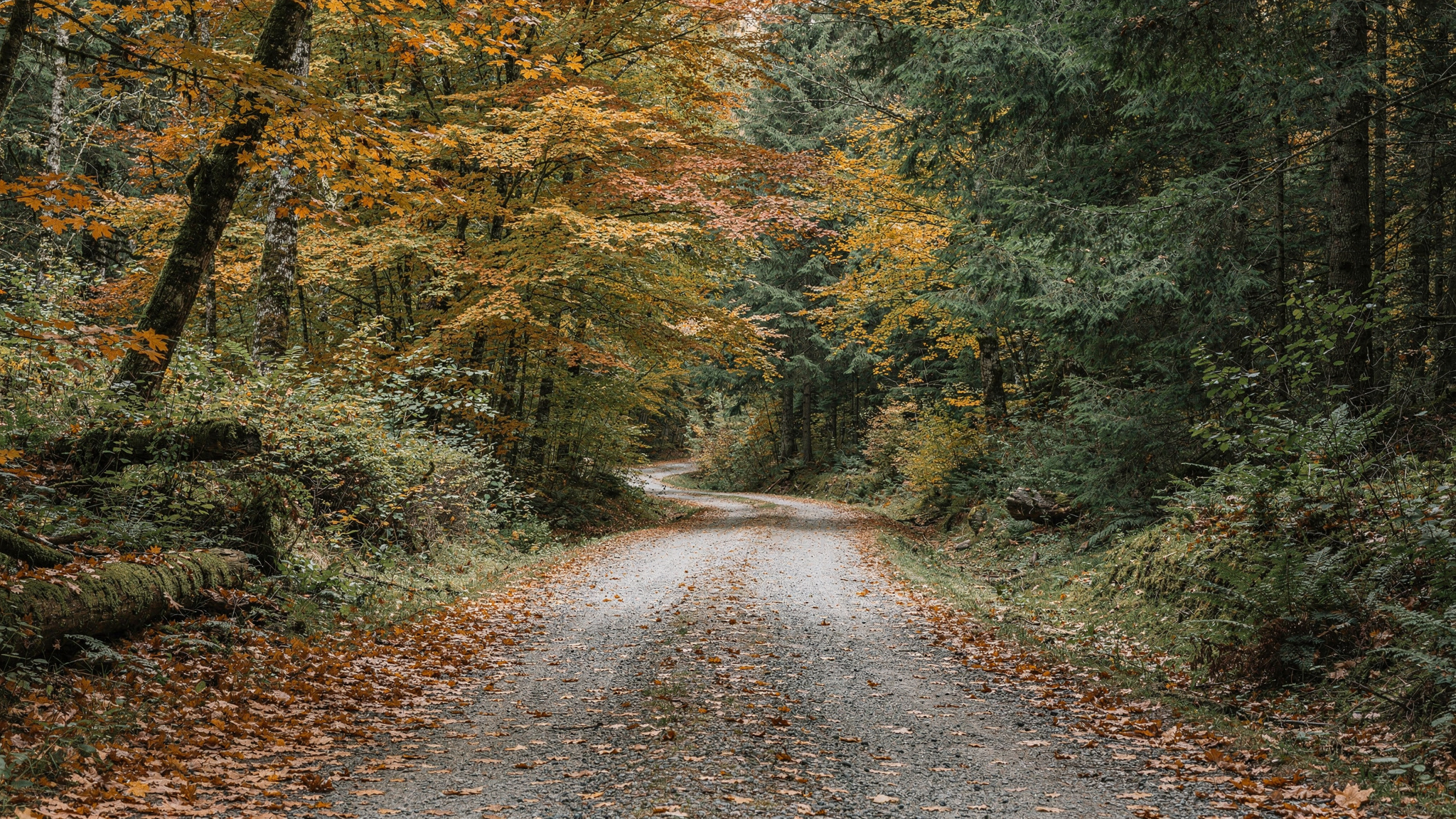
Campbell Valley is worth visiting year-round, but spring and fall are peak seasons. Spring brings wildflowers and bird migration in April and May. Fall brings the salmon run in October and November, along with autumn colour in the alder and maple sections. Summer is busy but the trails are dry and accessible; winter is quietest and the forested sections stay green even in the rainiest months.