
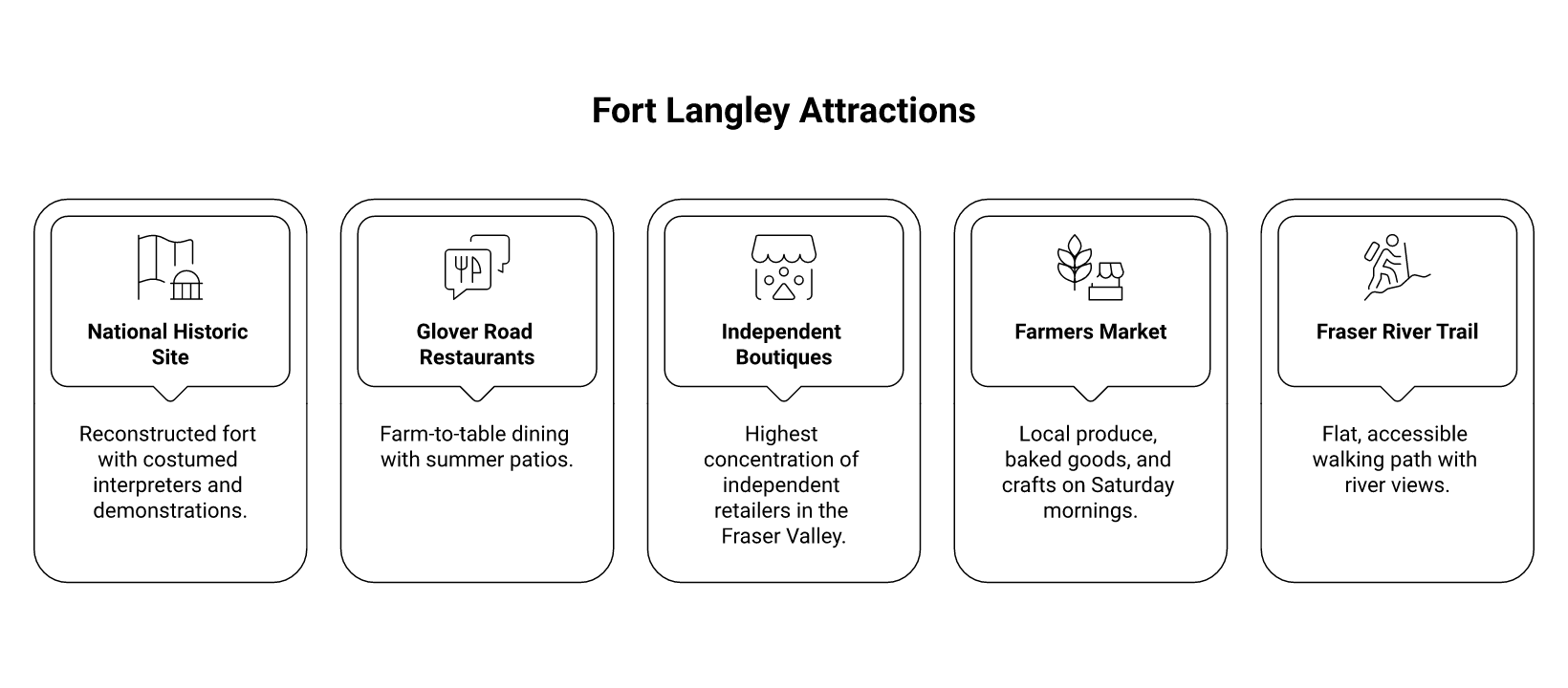
Fort Langley sits on the south bank of the Fraser River about an hour east of Vancouver, and it manages to be both a serious piece of Canadian history and a genuinely pleasant place to spend an afternoon. The national historic site at its centre is where BC was declared a British colony in 1858, and the surrounding village has built a food and retail scene that makes the historic site worth combining with a longer outing rather than a quick stop.
This guide covers the historic site, the restaurants and cafes along Glover Road, the shops and boutiques, and the practical logistics of getting there and making the most of your visit. Fort Langley rewards a slow pace more than a rushed tour, and this guide is written to help you plan an outing that does it justice.
Fort Langley National Historic Site: What to Expect
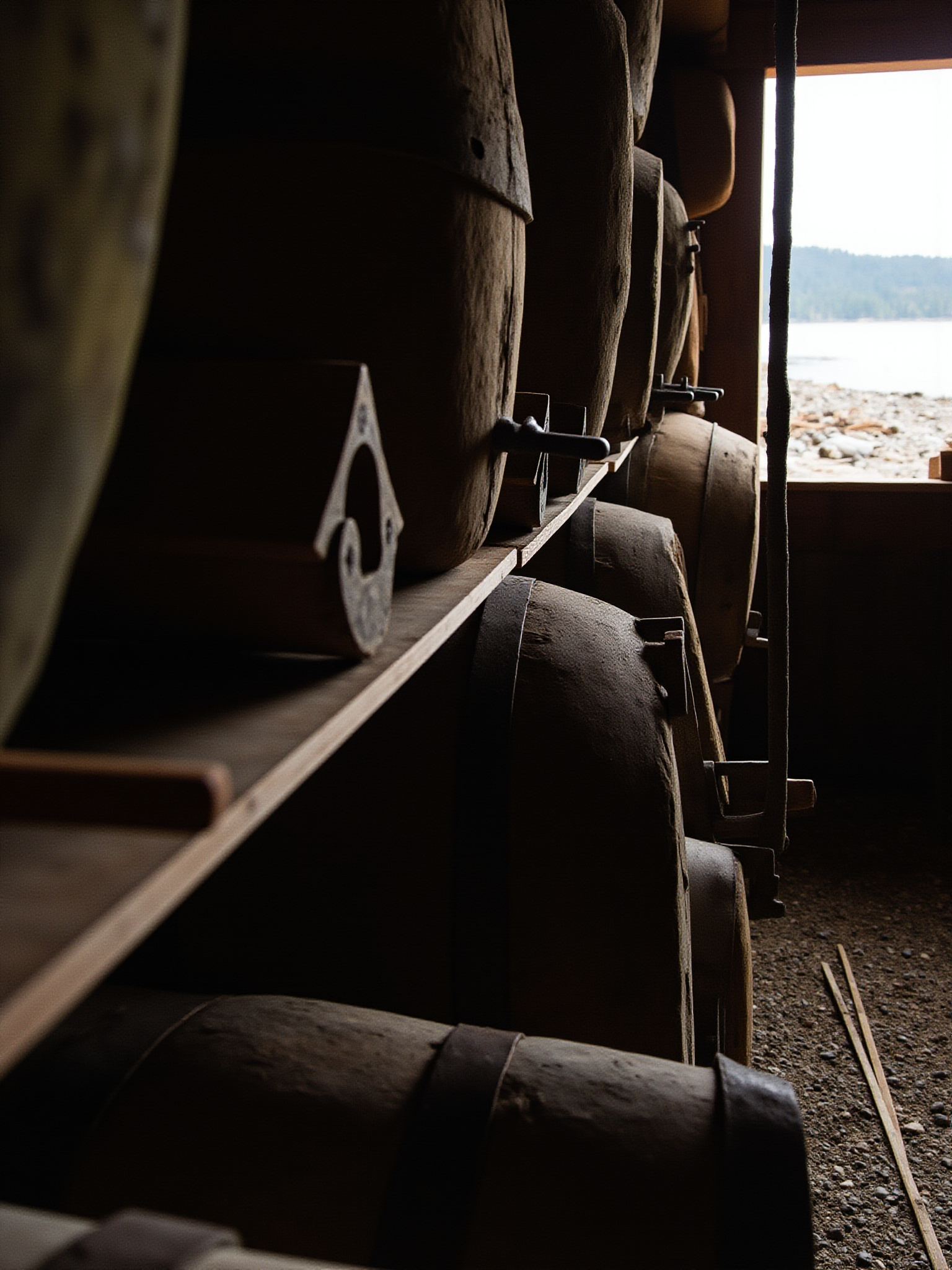
The Fort Langley National Historic Site is operated by Parks Canada and tells the story of the Hudson’s Bay Company trading post that was established here in 1827. The fort was the administrative centre of the Columbia Department and later the site where James Douglas proclaimed British Columbia a Crown colony in 1858. The reconstructed buildings include a storehouse, a cooperage, the Big House, and working interpretive demonstrations that run through the summer season.
Entry to the historic site charges a modest admission, with Parks Canada pass holders entering free. The costumed interpreters are among the best in the BC Parks system, with demonstrations of barrel-making, blacksmithing, and fur trading that are engaging for adults as well as children. The site is well-maintained and the interpretive content is substantive enough to reward more than a quick walkthrough.
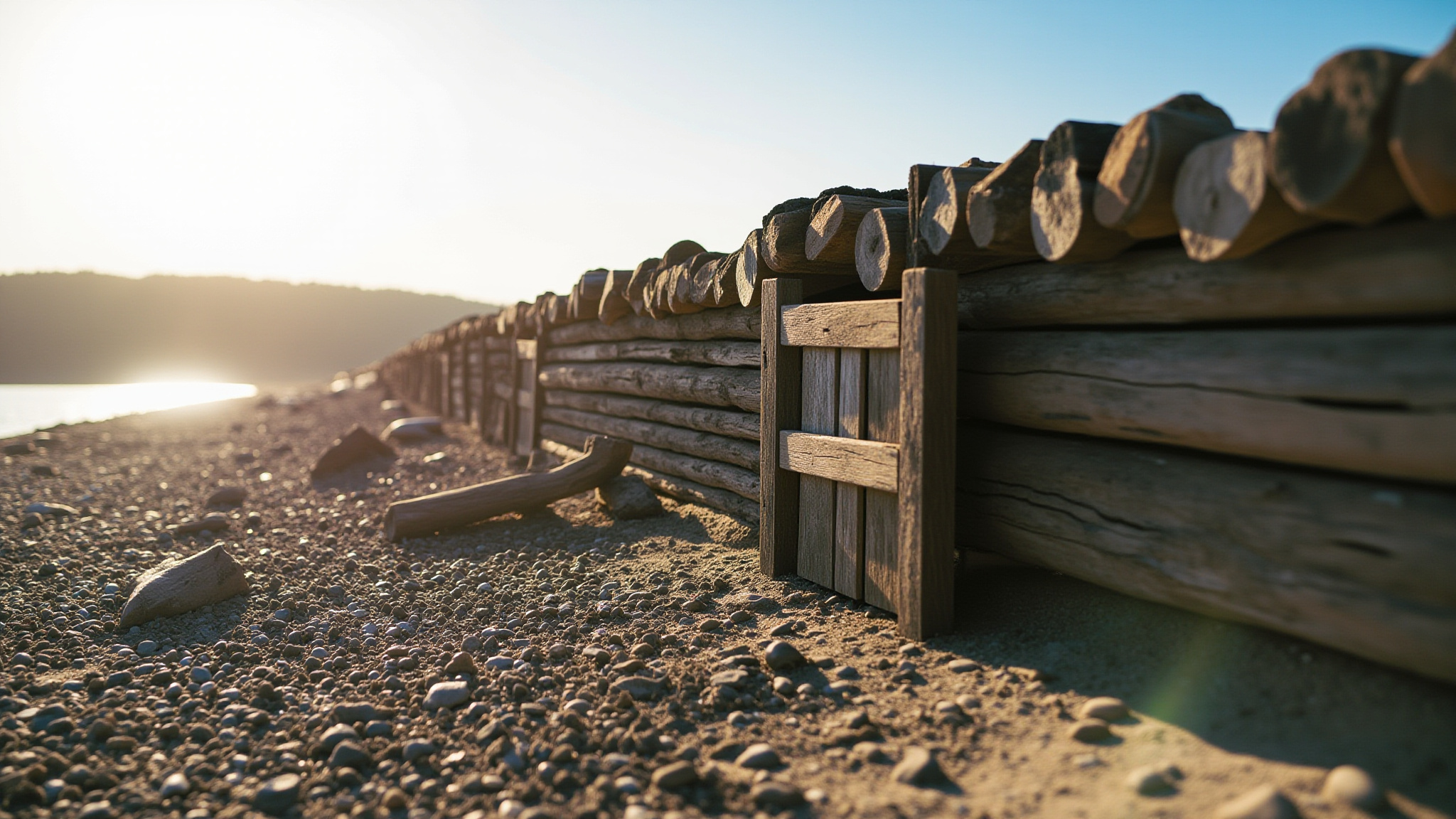
The grounds are large enough to take the better part of an hour even without the demonstrations, and the Fraser River is visible from the palisade walls, which gives you a sense of why the location was chosen. Summer weekends bring organized events including living history days and the annual Cranberry Festival in October, which is one of the most popular events on the Langley calendar.
Restaurants and Cafes Along Glover Road
Glover Road is the main commercial street running through Fort Langley village, and it has developed one of the better food strips in the Fraser Valley over the past decade. The restaurants range from casual brunch spots to proper dinner destinations, with the best of them drawing diners from across Metro Vancouver who combine the meal with a village browse or a visit to the historic site.
Brunch is the peak meal in Fort Langley, and the cafe culture along Glover is well-developed by local standards. Fresh local ingredients are more than a marketing point here given the farms surrounding the Township. Summer patios are a significant draw, and several spots have views or garden settings that justify the table time beyond the food alone.
The dinner scene is more limited than brunch and lunch but has improved as the village’s profile has risen. Reservations are advisable on summer weekend evenings at the handful of spots with serious dinner programs. The village is quiet enough after 8 p.m. that the dining experience feels removed from the Metro Vancouver pace, which is part of the appeal for visitors coming from the city.

Shopping and Boutiques in the Village
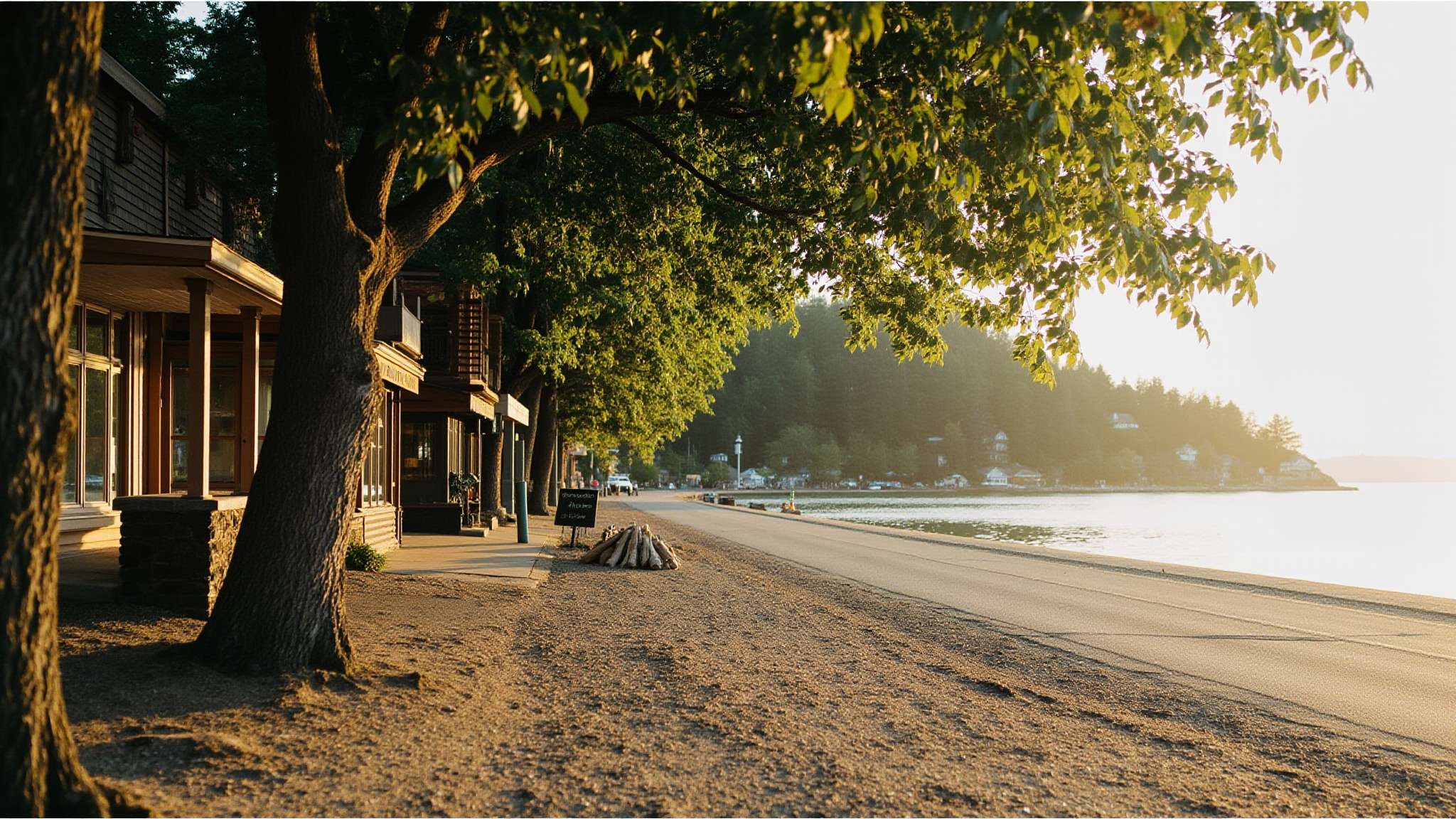
Fort Langley has a higher concentration of independent boutiques per block than anywhere else in the Lower Mainland outside of commercial districts in Vancouver proper. The shops cluster along Glover Road and the adjacent streets, covering antiques, home goods, art galleries, fashion, specialty food, and gifts. The mix is oriented toward quality over volume, and most shops are locally owned.
The antique and vintage shops are a particular draw, with several dealers who specialize in BC and Pacific Northwest items. These vary in quality and price, but the best have genuine finds that repay a patient browse. Weekend foot traffic is high enough that the shops do well without needing to discount, which keeps the quality benchmark elevated.
The farmers market runs on Saturday mornings from late spring through fall, occupying the parking lot near Glover Road and 96th Avenue. The market has a good mix of produce vendors, specialty food producers, and craft sellers, and it draws a loyal local following as well as visitors who time their Fort Langley trip around it. The combination of the market and the village shops makes Saturday morning the best single time to visit Fort Langley through the summer season.
Getting to Fort Langley and Practical Logistics
Fort Langley is approximately 50 kilometres from downtown Vancouver, which translates to 45 minutes to an hour by car depending on traffic. The village is not well-served by transit from Metro Vancouver, which makes a car or a group with a driver the practical reality for most visitors. The drive along Highway 1 east to the 232nd Street exit is straightforward, with clear signage directing you into the village.
Parking in Fort Langley is free in the main lot and on surrounding streets. The main lot fills on busy summer weekends by mid-morning, and the side streets near the historic site provide overflow. Arriving early or late in the afternoon avoids the worst of the parking pressure and also coincides with quieter conditions in the restaurants and shops.
The village is entirely walkable once you arrive, covering about four blocks of Glover Road and a few adjacent streets. The national historic site is at the north end of the village near the river. A complete visit covering the historic site, a meal, and a browse through the shops takes between three and five hours, making it a full half-day outing rather than a quick stop.
Making the Most of Your Fort Langley Visit
Fort Langley rewards visitors who slow down and treat it as a destination rather than a stop on the way somewhere else. The combination of the national historic site, the restaurants, and the shopping is better experienced over three or four hours than compressed into one. If you are driving from Metro Vancouver, making a day of it is the more satisfying approach.
The best seasons to visit are late spring through early fall, when the patios are open, the farmers market is running, and the historic site is fully staffed with costumed interpreters. October’s Cranberry Festival is worth scheduling around if you can, as it is one of the largest community events in Langley and a good introduction to the village if you have not visited before.
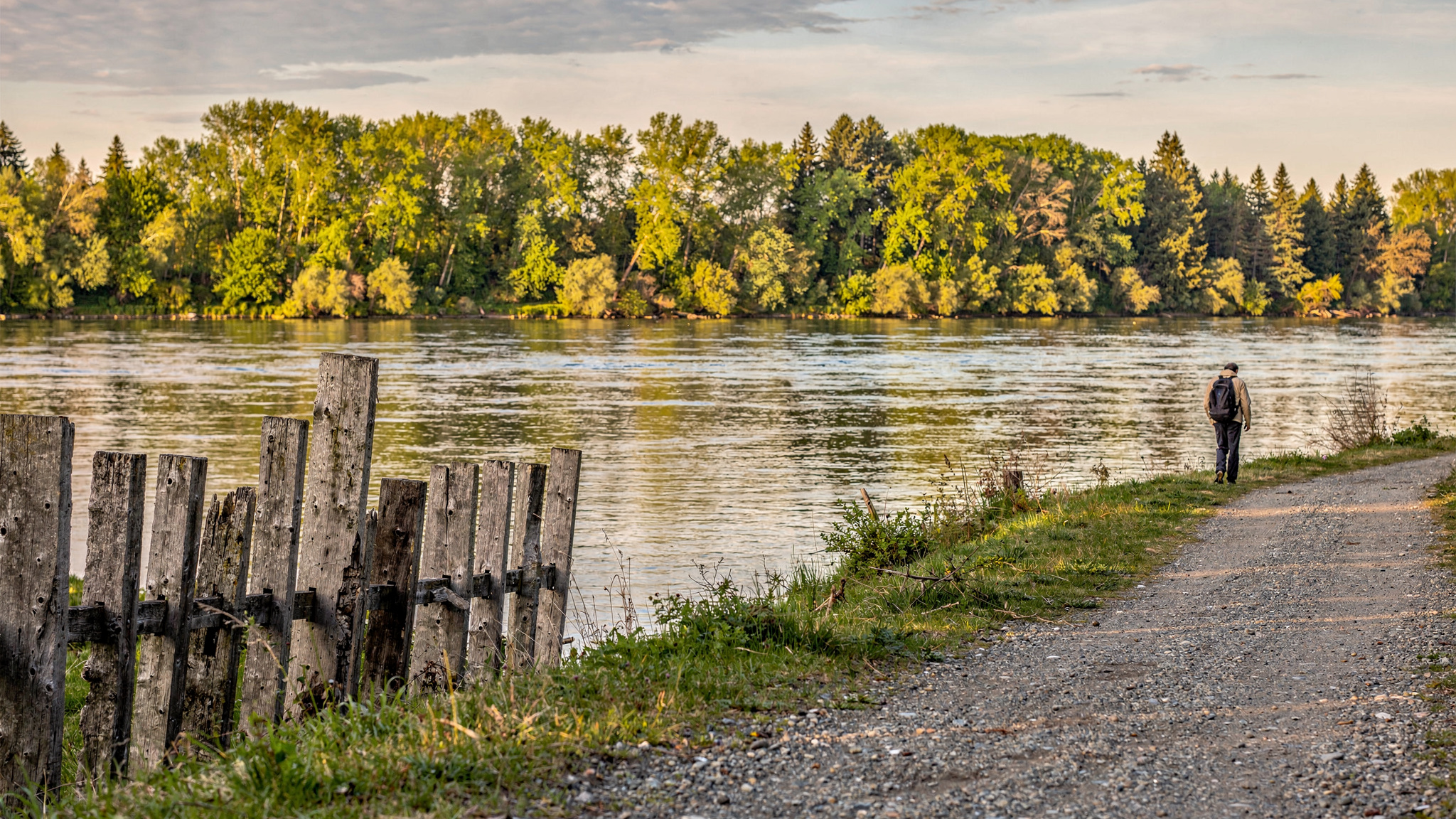
Fort Langley is one of the most dog-friendly commercial strips in the Lower Mainland, with many shops allowing leashed dogs inside and most patios welcoming them. If you are travelling with a dog, the Fraser River trail near the village offers a good pre- or post-brunch walk.
Fort Langley Visitor Tips
Buy the Parks Canada day pass if you are planning to visit more than one national historic site or park in a calendar year. It pays for itself quickly in BC, which has several Parks Canada sites worth visiting. The Discovery Pass covers national parks and historic sites across the country.
The farmers market at Fort Langley is one of the better ones in the Lower Mainland for local produce quality. Going in July and August gives you the widest range of Fraser Valley fruit and vegetables, and the baked goods and specialty food vendors are worth factoring into your visit plan.
Weekday visits to Fort Langley in summer offer a meaningfully quieter experience than weekends. The historic site has the same programming, the restaurants have shorter waits, and the parking is never an issue. If your schedule allows a Thursday or Friday visit, the village is at its most relaxed.
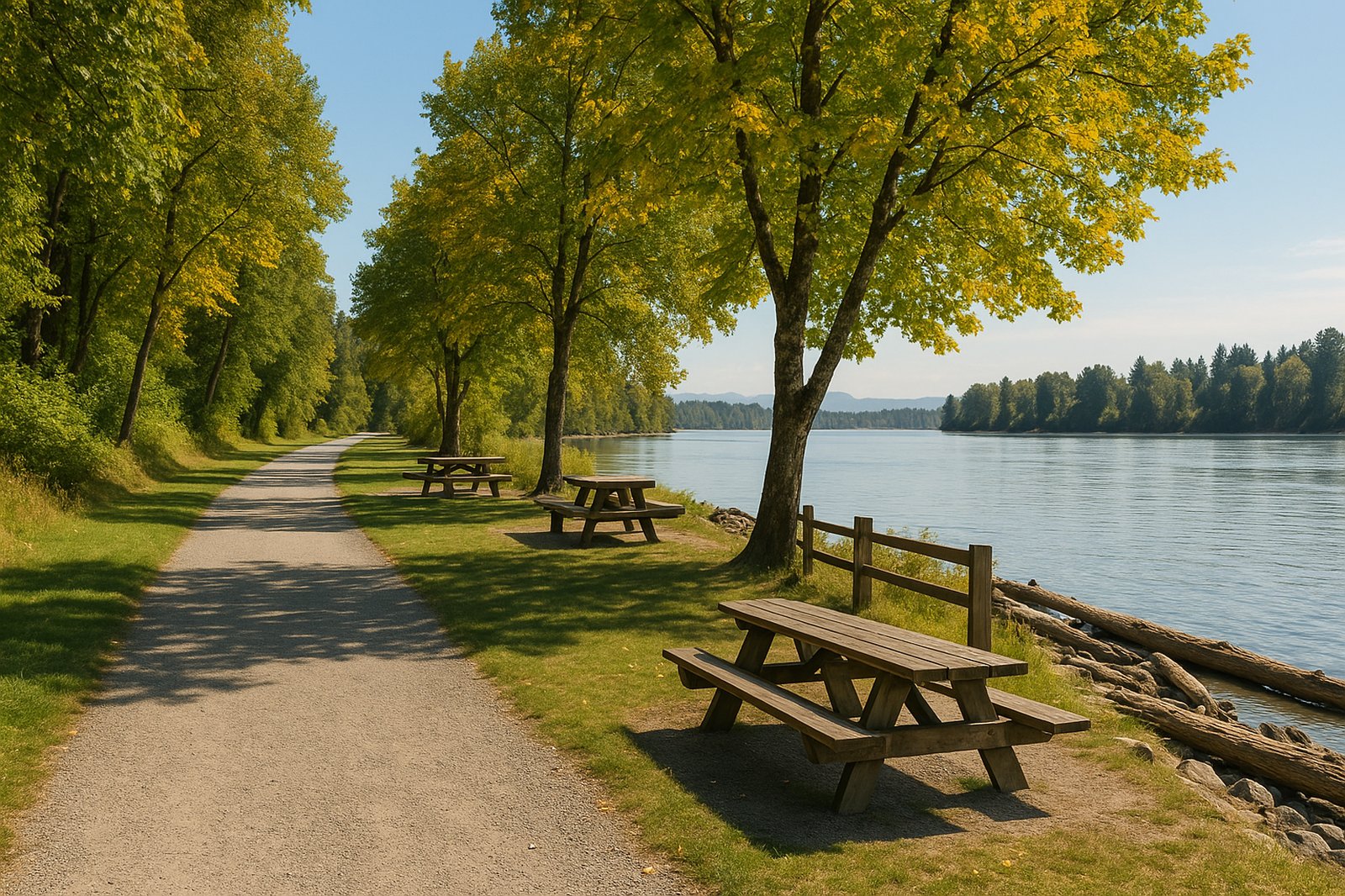
The trail along the Fraser River near the village is worth building into your visit if you are mobile and comfortable on flat gravel paths. It provides a different perspective on the historic site and gives you a sense of why the river location was so strategically important to the original fort.
Questions Often Asked
Is Fort Langley worth visiting?
Yes, particularly for visitors interested in BC history, good food, or independent shopping. The national historic site is one of the best-interpreted heritage sites in the province, and the surrounding village has a food and retail scene that rewards a full half-day visit. Fort Langley is one of the more complete day trip destinations in the Lower Mainland for the combination of history, food, and atmosphere.
How much does Fort Langley National Historic Site cost?
The Fort Langley National Historic Site charges a modest admission fee set by Parks Canada, with reduced rates for children, seniors, and families. Parks Canada Discovery Pass holders enter free. Check the Parks Canada website for current pricing as it is adjusted periodically. The site is open daily in summer and on a reduced schedule in shoulder seasons.
What is the best time to visit Fort Langley?
Saturday mornings in summer are the most vibrant time to visit, combining the farmers market, open restaurants with patios, and full interpretive programming at the historic site. If you prefer a quieter experience, weekday visits or early morning weekend arrivals before 10 a.m. offer the same attractions with fewer crowds. October’s Cranberry Festival is the busiest single event of the year.
Can you walk from Fort Langley village to the national historic site?
Yes. Fort Langley village and the national historic site are within easy walking distance of each other along Glover Road. The village is compact enough that you can park once and walk between the historic site, the restaurants, the shops, and the farmers market without moving your car. The walk from the main parking area to the historic site entrance is under five minutes.