
The Township of Langley has developed a wine and farm tourism scene that surprises most Metro Vancouver residents who have not ventured beyond the municipality’s commercial corridors. The combination of the Fraser Valley’s agricultural land, a cluster of estate wineries concentrated in the rural southern Township, and a growing network of farm-to-table food producers has created a destination that is genuinely compelling for a day trip and not merely an alternative to Okanagan wine country.
This guide covers the main wineries and farm operations in Langley, along with the practical information you need to plan a visit. This guide gives you the context to plan a dedicated winery day, combine wine with a Fort Langley visit, or simply understand what Langley’s farm tourism scene offers.
Langley’s Estate Wineries: What to Know Before You Visit
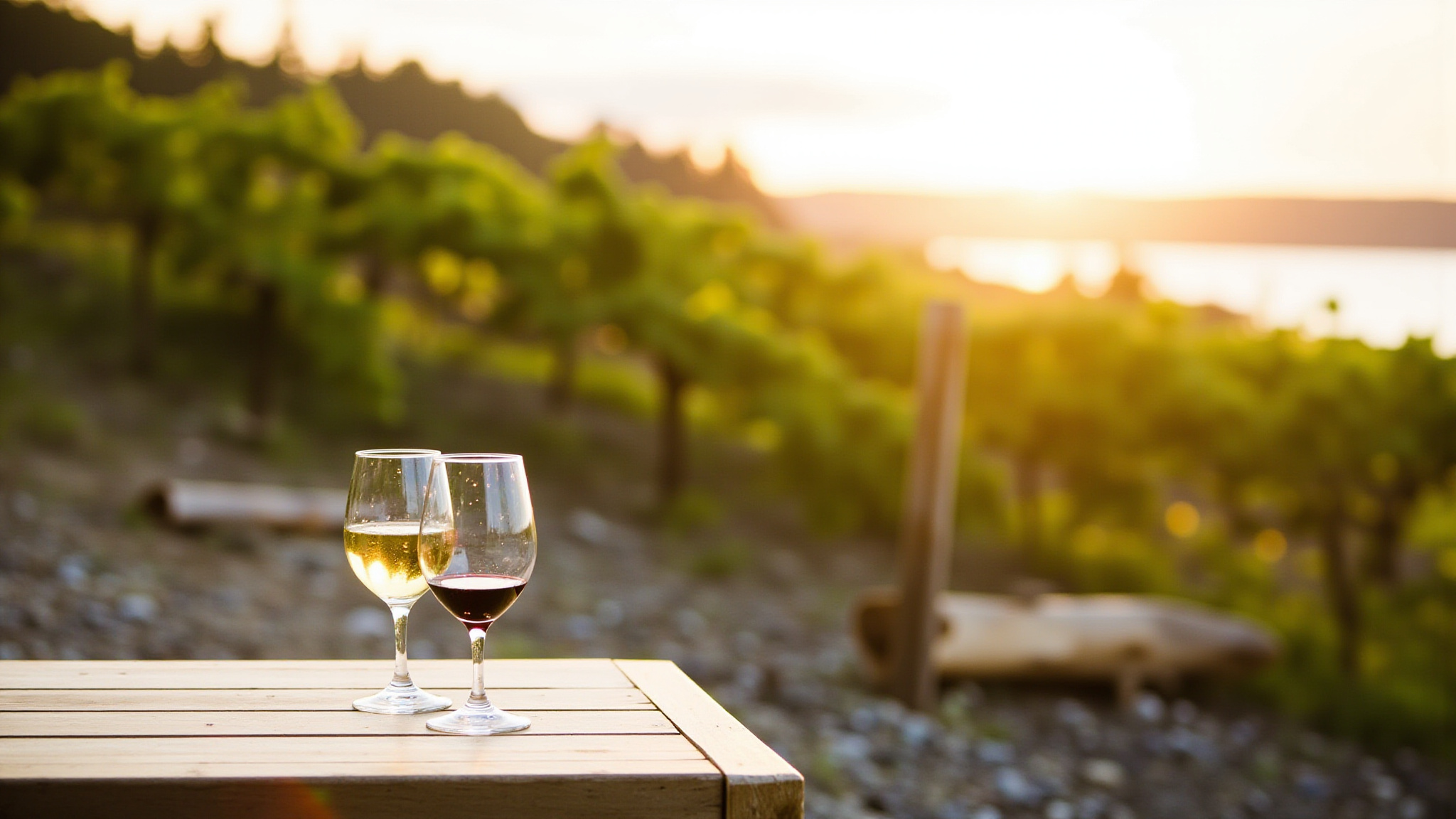
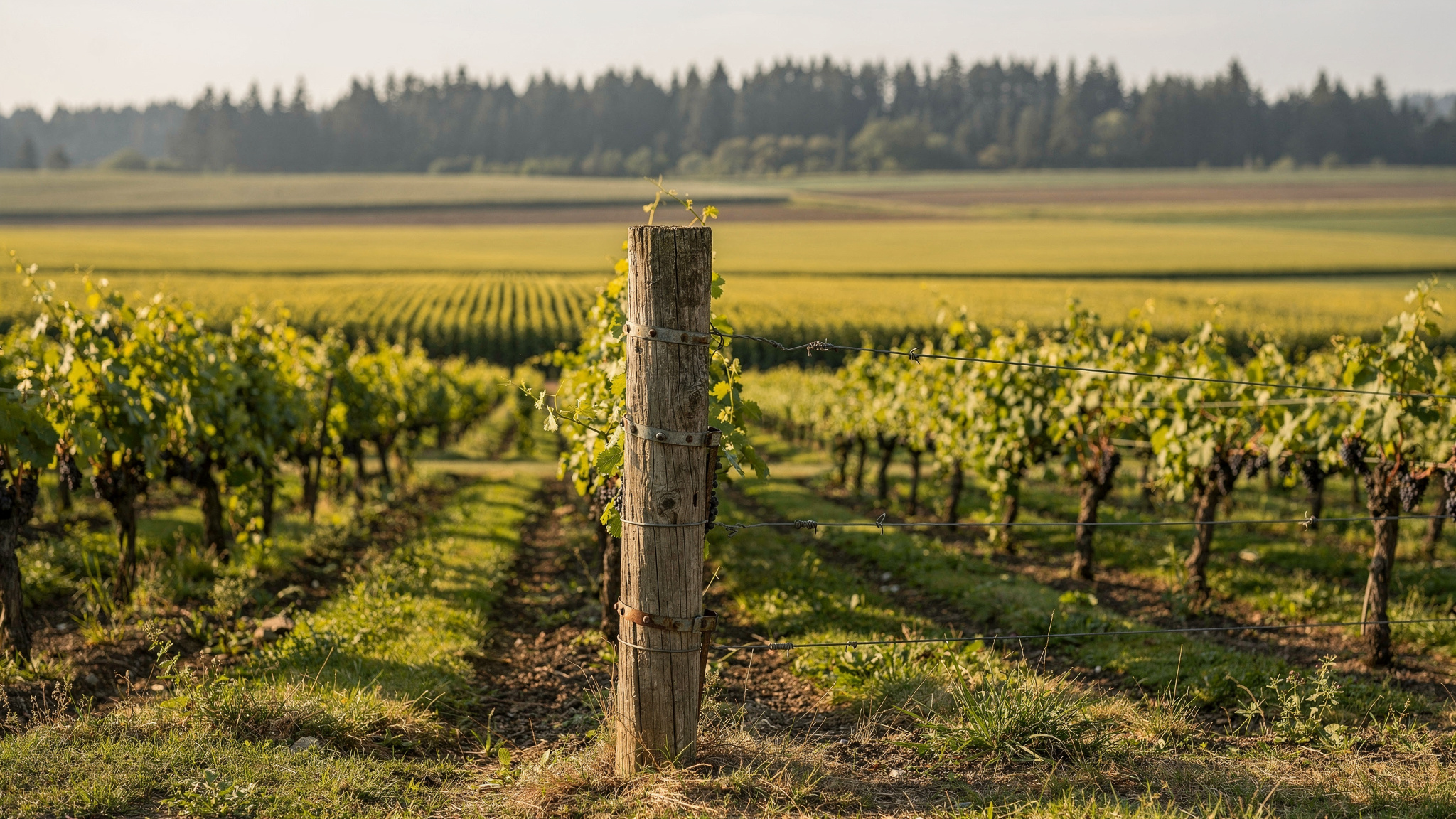
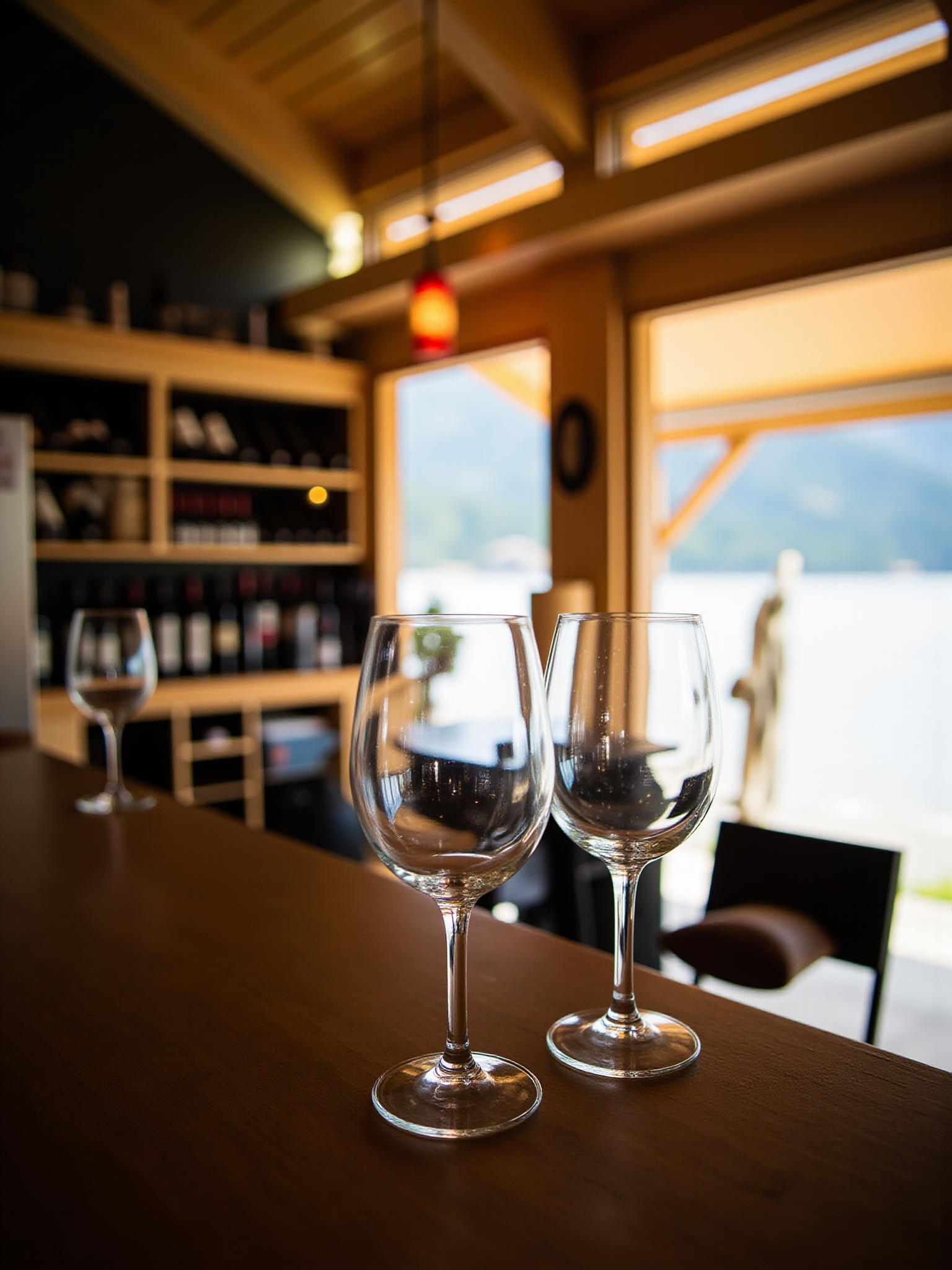
Langley has a cluster of estate wineries concentrated in the southern Township, mostly along the rural roads between 8th Avenue and the US border. These are generally small-production operations making wine from grapes grown primarily in the Okanagan, with some using locally grown hybrid varieties suited to the Fraser Valley climate. The tasting room experience is the focus rather than the scale, and most wineries operate on appointment or limited walk-in hours.
The valley climate means Langley’s own vineyards produce primarily in cool-climate varieties: pinot gris, bacchus, ortega, and similar grapes that ripen reliably in the shorter, wetter growing season. Wineries that use local grapes can offer something the Okanagan cannot: a Fraser Valley terroir that is lighter, more aromatic, and genuinely different from the full-bodied style associated with BC wine in most people’s minds.
Tasting room hours vary significantly between operations, and several require appointments outside of summer weekends. Checking directly with each winery before planning a visit is essential, because the Langley wine tourism infrastructure is not as developed as the Okanagan and the individual operations have less predictable access than you might assume from prior winery-visiting experience elsewhere.
Farm Markets and Agricultural Stops
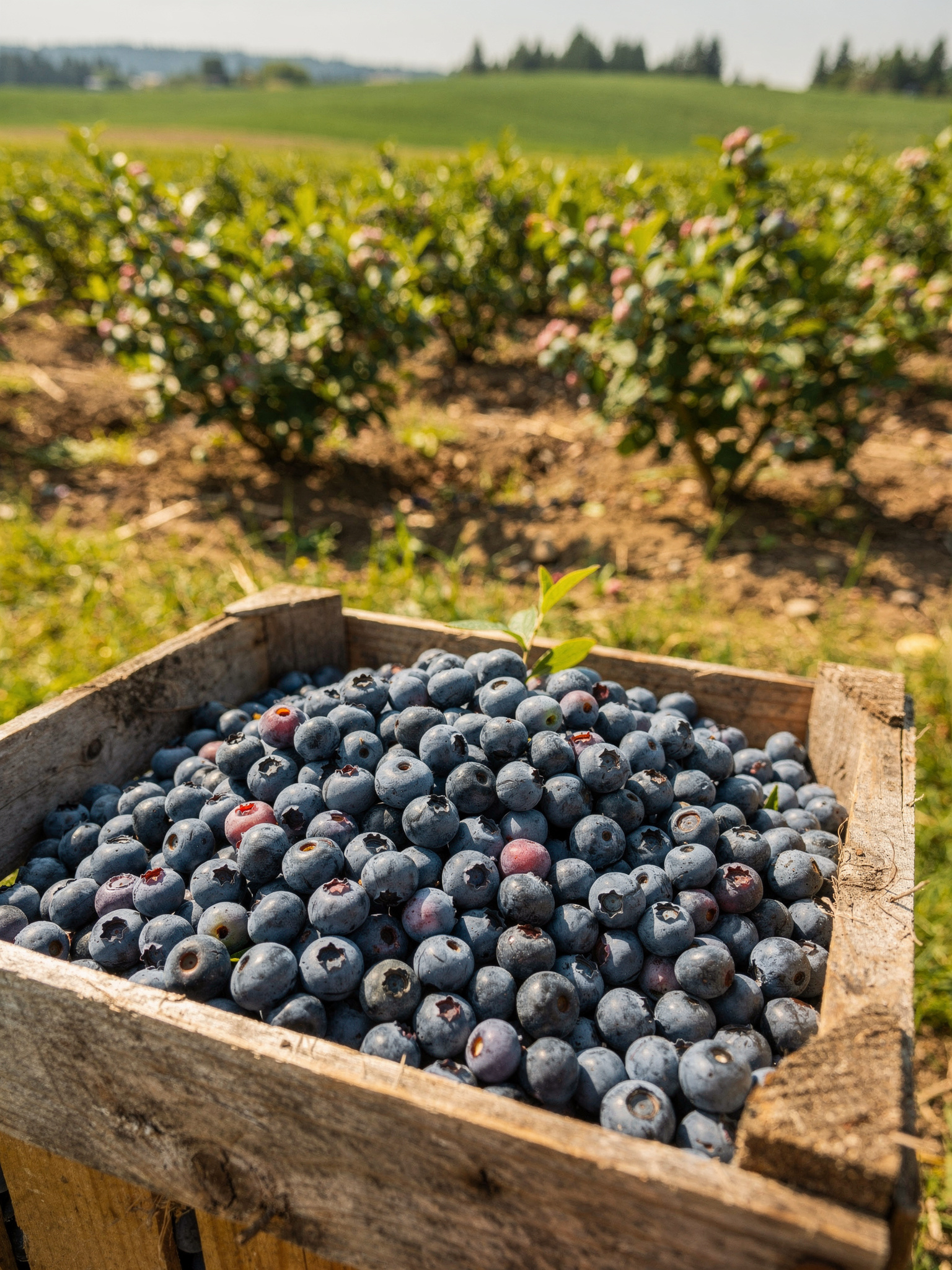
The agricultural land surrounding Langley’s wineries supports a range of farm markets and direct-to-consumer operations that pair naturally with a winery visit. The berry farms along the rural roads south of the Fraser Highway offer u-pick from June through September, with blueberries, strawberries, and raspberries all available in season. Several of these farms also sell processed products, including jams, preserves, and fruit wines, that make good souvenirs of the agricultural landscape.
Some of the stronger farm market operations in the Township have developed food components that make them worth visiting as lunch or afternoon snack stops alongside winery tasting rooms. The combination of a farm market visit and a winery tasting in the same afternoon is a natural pairing that takes advantage of the proximity of these operations in the southern Township.
The equestrian culture of Langley’s Township is evident even on a casual drive through the rural areas, with horse properties and riding facilities visible from the main rural roads. While these are not generally accessible as tourism stops, they add to the character of the landscape and explain the trail network that the southern Township has developed for equestrian use.
Planning a Winery Day Trip from Metro Vancouver

Langley’s winery cluster is approximately 50 to 60 kilometres from downtown Vancouver, making it a realistic day trip without the overnight requirement of an Okanagan wine trip. The drive is straightforward on Highway 1 east to the 200th Street or 232nd Street exits, with the rural winery roads accessible from there. A comfortable day trip allows for two or three winery visits with a farm market stop and a meal, which gives you a genuinely complete experience without rushing.
Most of Langley’s wineries are within 15 to 20 minutes of Fort Langley village, which makes the combination of a winery afternoon with a village lunch or dinner practical in a single day. Starting in Fort Langley for brunch and a village browse, then visiting two wineries in the afternoon, and ending with a drive back through the countryside is a structure that many visitors have found satisfying.
A designated driver or ride-share plan is essential for a multi-winery visit. Langley’s rural roads are beautiful but not served by transit, and driving between wineries after tasting at each is not a responsible or legal approach. Establishing the logistics before you go is part of making the day work well.
What Langley Wine Offers That the Okanagan Cannot
Langley wine tourism is not a substitute for an Okanagan trip but it is not trying to be. The scale is smaller, the production volumes are lower, and the landscape is distinctly coastal rather than desert-valley. What Langley offers is proximity, intimacy, and a genuinely local version of the farm-to-table experience that is harder to achieve in a large wine region with significant tourism infrastructure.
The small-production wineries in Langley can offer tasting experiences that most Okanagan wineries cannot at their scale: conversations with the actual winemaker, tastings that go beyond the standard flight to reflect what is currently in the cellar, and a connection to the specific land and people behind the wine. This is a tradeoff that suits some visitors much better than others, but for those who value depth over breadth, Langley’s winery scene delivers.
The agricultural tourism dimension, including farm markets, u-pick, and the equestrian landscape, is also more present in Langley than in the Okanagan’s more wine-specialized wine routes. A Langley winery day is as much about the broader agricultural landscape as it is about the wine, and the combination makes it a more varied experience than a day spent moving between tasting rooms in a dedicated wine destination.
Langley Winery Visit Essentials
Most Langley wineries are best visited with advance planning. Check tasting room hours directly on each winery’s website, as summer walk-in hours differ from spring and fall appointment-only schedules. Calling ahead on the day of your visit is a reasonable precaution for any winery outside of peak summer weekends.
The rural roads in the southern Township are narrow and unmarked compared to urban streets, and navigating between wineries works better with a planned route than an ad-hoc approach. Looking up the route between your chosen stops before leaving home saves time and prevents the frustration of attempting a turn on a road that is marked only with a farm sign.
Most Langley wineries accept credit cards and offer bottles for purchase at the tasting room, which is the primary way they generate revenue from visitors. Buying a bottle or two of wines you enjoy during the tasting is the standard way of supporting the operation and the expected outcome of a tasting room visit.
Langley Winery Tips
Summer weekends are the best time for a spontaneous Langley winery visit, as most operations expand their tasting room hours to accommodate the visitor season. Shoulder season visits in May and October require more advance planning but offer a quieter, more personal tasting experience that dedicated wine visitors often prefer.
Combining two wineries with a farm market stop and a Fort Langley meal makes a well-structured day that does not feel rushed. Three or four wineries in a single day is possible but tends to produce diminishing returns on the tasting experience and increases the designated driver burden significantly.
The rural roads between wineries are pleasant to drive slowly, and the agricultural landscape rewards unhurried transit between stops. Allowing more time than you think you need between wineries accounts for spontaneous stops, photo opportunities, and conversations that extend beyond the planned schedule.
Langley’s farm stands near the winery cluster often sell products that pair naturally with the wines you have tasted: fresh bread, local cheese, smoked meats, and seasonal produce. Picking up a picnic from a farm stand after your first winery visit and eating it before the second is one of the better lunch options in the southern Township.
Questions Often Asked
Are there wineries in Langley BC?
Yes. The Township of Langley has a cluster of estate wineries in the rural southern section of the municipality, primarily along roads south of the Fraser Highway near the US border. These are small-production operations with tasting rooms, most requiring appointments outside of summer weekends. The drive from Metro Vancouver is approximately 50 to 60 kilometres.
How far is Langley wine country from Vancouver?
Langley’s winery cluster is approximately 50 to 60 kilometres from downtown Vancouver, roughly 45 minutes to an hour by car depending on traffic. This makes it a realistic same-day trip without requiring an overnight stay, which is the main practical advantage over a dedicated Okanagan wine trip.
Can you visit Langley wineries without a reservation?
Some Langley wineries accept walk-ins on summer weekends, but most require appointments outside of peak season. Checking directly with the specific wineries you plan to visit before going is essential, as tasting room hours vary significantly between operations and seasons. Calling ahead on the day of your visit is a safe precaution regardless of the season.
What wine is Langley known for?
Langley wineries work with a mix of Okanagan-sourced grapes and locally grown cool-climate varieties suited to the Fraser Valley. Local vineyards produce primarily aromatic white varieties, including pinot gris, bacchus, and ortega, that ripen in the shorter, wetter coastal growing season. The style tends toward lighter, more aromatic wines than the full-bodied reds most associated with BC wine from the Okanagan.